
October 6, 2016
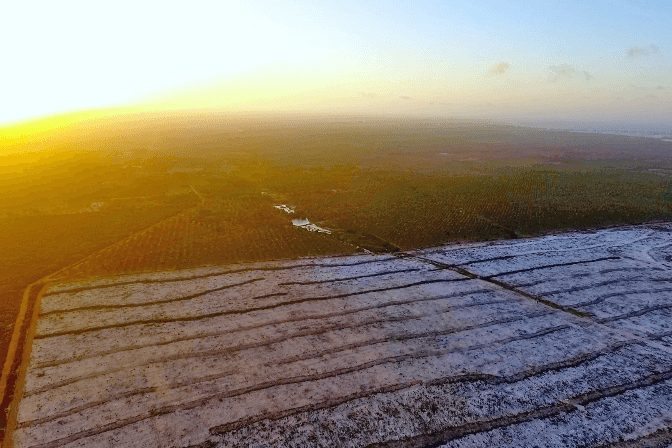
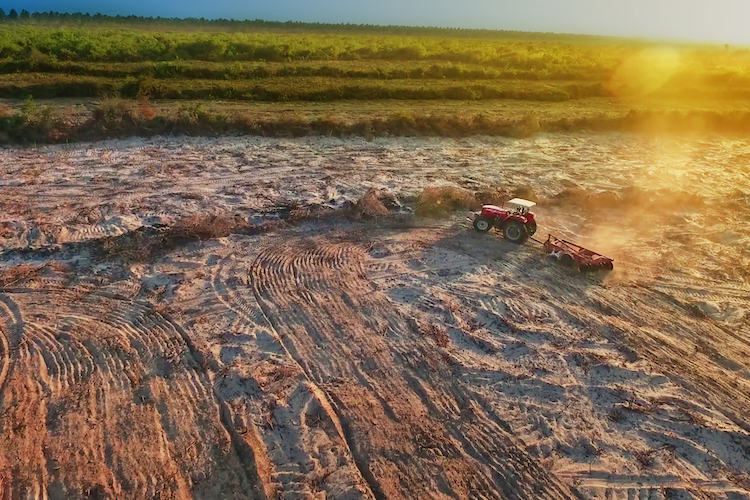
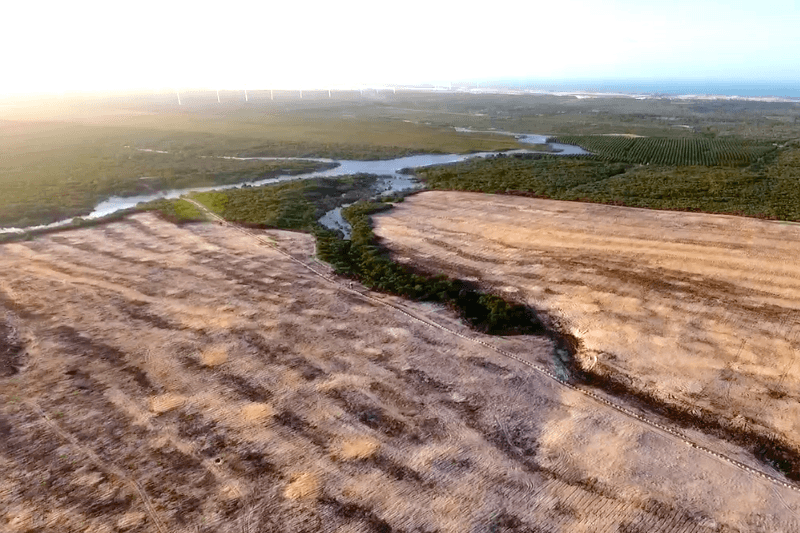
The second in our Plantation Development Video Series, this short film illustrates the sheer scale of our project expansion plans for neem as we plant just under 300,000 trees across Fazenda Palmeira Grande and Fazenda Rio Grande in this phase.
This element of the project has one of the most significant in terms of development in this year, especially when you consider the enormity of such increased implementation activity. The vast expanse of neem that now exists on our plantations must be seen to be believed.
October 4, 2016
Filmed with a camera crew and our newly acquired DJI Phantom 4 Drone, we have taken to the skies above our plantations in Brazil and created a series of video updates that will truly demonstrate the sheer scale of our projects during this exciting period of development and expansion.
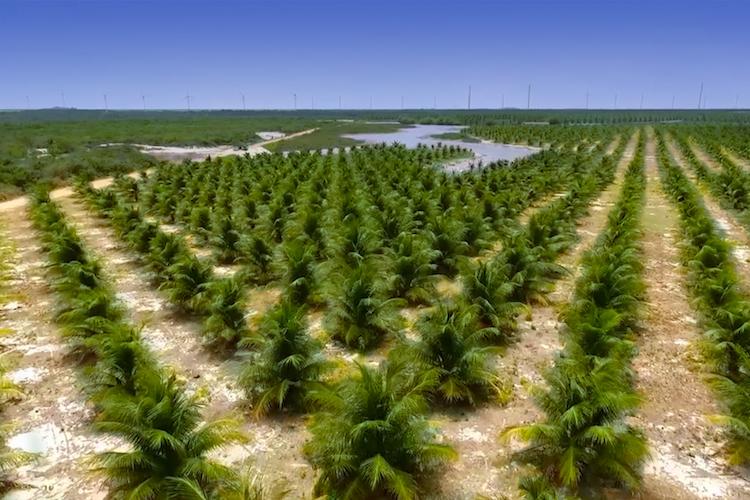
The first in the series showcases the journey as you enter the plantations, passing by our in-house neem nursery and the on-going construction of our administration offices and living facilities, before offering an impressive birds-eye view of Fazenda Lagoa Grande. The film then focuses entirely on FLG, both on the expansion and maturation of the trees that are planted.
Please see the first video update below to truly appreciate the vast expanse of coconut palms across 1,000 hectares of our plantation.
August 4, 2016
When managing agricultural farmland in tropical climates, the summer months are typically dedicated to crop care specifically tailored for the drier season while preparations for the next phases of planting are catalyzed by anticipation of the oncoming rains. With neem, the tree’s unique characteristics and efficient planting cycle, combined with the very latest methodologies in agro-ecology utilized across our projects, now enables us to progress with planting even during the driest periods of the year.
The following update will focus on the specific procedures necessary for such a game-changing method in modern agriculture.
With the ability to plant this incredible evergreen tree during the summer months, we are able to further expedite the current phase of planting that will see just under 300,000 neem trees across 700 hectares of Fazenda Palmeira Grande and Fazenda Rio Grande. Traditionally, an unusual time for increased implementation activity in Brazil (due to the drier conditions of the season), our expert agronomy team has established a proven and effective system for planting neem year-round that will ensure environmentally safe, sustainable and productive yields for generations.
As we complete this current phase of planting, there are neem saplings developing at our nursery that will be transferred onto the plantation in the next. Come rain or shine, the production cycle of developing sapling and planting neem will more than keep up with the exciting rate of project expansion seen on the ground.
A New Generation of Neem Saplings Developing at our Nursery
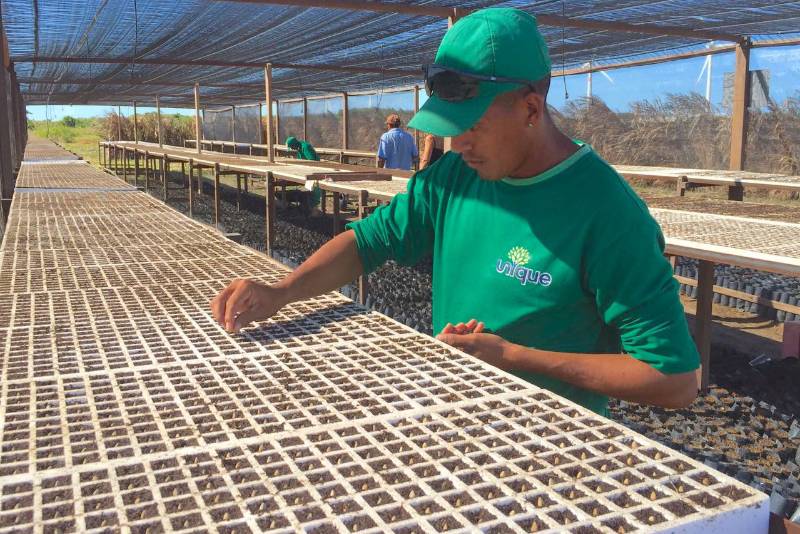
While we continue expanding the scale of our projects and now that the next phases of planting on Fazenda Palmeira Grande and Fazenda Rio Grande are well underway, the following generation of seedlings has arrived at the nursery for initial care and development in their soil cells. Offering the capacity to develop over 72,800 neem seedlings at any one time, sourced from the highest performing trees in the region, this section of the plantation represents the very first step of neem’s long and fruitful life cycle.
Agronomists utilize every harvest as an opportunity to determine the healthiest and highest yielding trees in order to acquire their seedlings for the next generation. By selecting optimal quality seedlings we are minimizing risk and maximizing the yield potential and life span of the neem trees on our plantation right from the offset.
We then ensure that each individual seedling in the nursery receives the upmost care and attention necessary for the greatest potential of productivity.
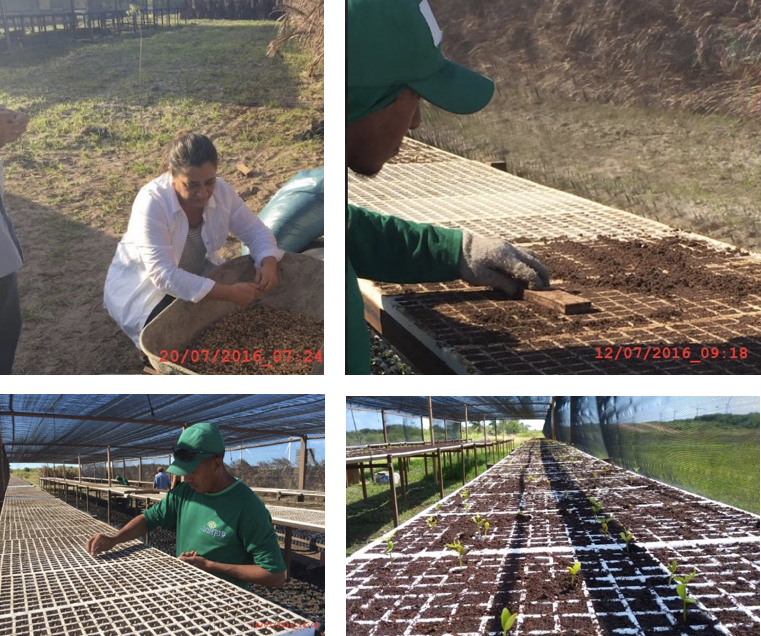
After the seeds germinate, which usually takes up to three weeks, they are placed in grow bags filled with the nutrients necessary for optimal growth. These nutrients are derived from fertile soil mixed with chicken manure, coconut shell powder and organic material recycled from the land clearance of previous phases of planting. The seedlings are then carefully nurtured by our specialist agronomy team for up to a year before they can be transferred onto the field for planting. By aligning ourselves through mutually beneficial cooperation and inviting neem experts and consultants to our plantations on a remunerated regular basis, we ensure that our workers receive the very best training in neem care and management across all stages of development.
Preparing the Soil for Planting Neem in Dry Season
By applying technical knowledge specific to each pest and disease, alongside an expert understanding of the nutrients necessary for optimal crop development in the field, we formulate the most effective blend of natural pesticides and fertilizers for use on our plantations. This holds especially true for our latest phase of planting neem and you can learn about the specific process of preparing the soil in our previous update – Neem’s Journey from the Nursery to our Plantations.
Now that this year’s rainy season has come to a close, we have finalized the implementation of our newly developed irrigation systems across Fazenda Rio Grande and Fazenda Palmeira Grande. Now fully operational and at full capacity, we have the infrastructure and water reserves securely in place to provide nutrition and sustenance for our neem trees throughout the drier climates expected in the region over the next three months. Rather than waiting until the rainy season to progress with the next phases of planting neem, the standard in agriculture for a variety of different crops, we will continue rolling out on this phase of implementation throughout the year.
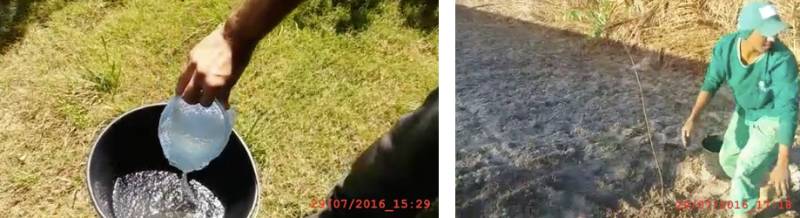
Summer planting begins with creating a foundation of fertilizer that is derived from organic compost, limestone, gypsum and reactive phosphate. The material is placed in the cradle of each tree and an extra layer of topsoil is then added to protect the mixture from any adverse external conditions.
The next step is the most important for planting during the dry season and involves the use of a plant gel polymer applied during planting that retains water and nutrients around the root base. This gel releases the water and nutrients into the root system over a longer period of time and therefore serves as an additional reserve of water and nutrients during the drier months of the year. This gel releases moisture into the surrounding soil at the base of the tree in stages, eliminating loss through evaporation and drainage, keeping the plants healthier and more vibrant during the initial and most important stages of development.
Leaves Blossoming Already Across Fazenda Rio Grande and Fazenda Palmeira Grande
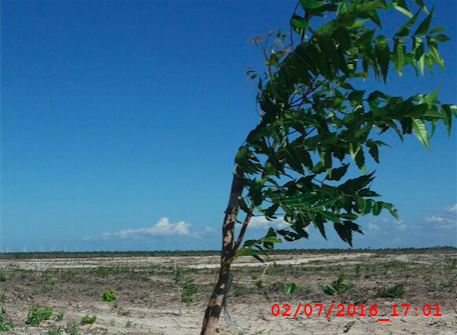
Post planting, neem trees (as with most saplings) go through a brief period of stress while the tree fights to take root in its permanent home, but once the roots take hold and start to soak up the natural fertilizer and water, they begin to recover and then to produce more foliage. It is greatly rewarding for us and our agri teams to see that Neem leaves have blossomed in a matter of months at Fazenda Rio Grande and Fazenda Palmeira Grande, as ever more plentiful shades of green appear across these sections of the plantation from the previous phases of planting earlier this year.
2016 has been a year of rapid development for our projects as we continue to develop and implement the very latest methodologies of sustainable and productive agriculture. We have successfully acquired the appropriate licensing for our continued neem expansion, which has assured the prompt commencement of our consecutive phases of implementation. With an increasingly efficient and knowledgeable team and expansion in our equipment, guided by the latest innovations in agro ecology wherever possible, we strive to develop the most efficient and environmentally friendly plantations within reach. As we clear more land and plant more trees, while practicing the best methodologies of sustainable crop care and protection, we strengthen our vision of long-term, sustainable and appreciating assets. Rather than a complex and risky financial instrument, we are managing a fundamental asset – agricultural farmland – that will produce valuable crops that are harvested on a regular basis. What is more, we are creating fundamental change in how we operate as a species, by solving mankind’s greatest challenge; feeding an exponentially growing global population.
Adding an extra layer of security by implementing the most effective infrastructure across our plantations and utilizing the very latest technologies in sustainable agriculture, we are in a great position as co investors in the project for optimal yields and profits that will last for generations. Commencement of a further 10km (6.2 miles) of road network, construction of new tractor housing on both FPG and FRG, the build of new plantation based offices and dormitories for our agronomists and visiting experts, has commenced and will be featured in our next update entitled “Necessary Infrastructure Expansion to Manifest An Agri Movement”.
April 18, 2016
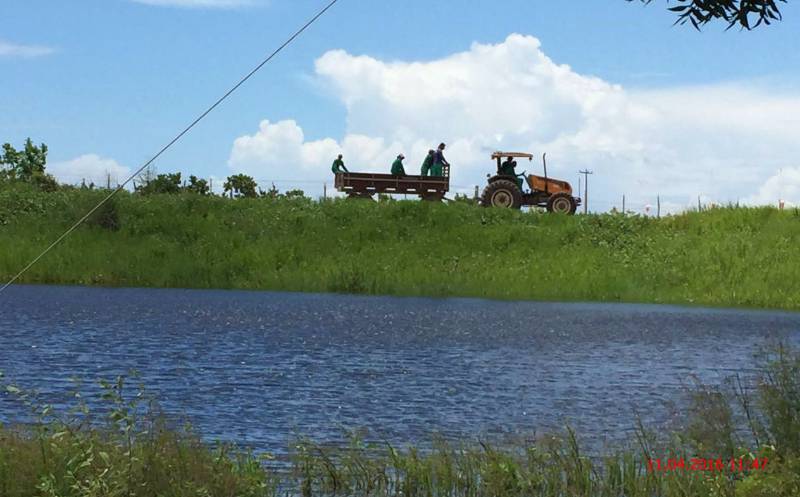
Ours is a time of rapid global change where the demands of a rising population are shifting human priorities towards the fundamental requirements for safeguarding life. The socioeconomic system of the past, geared towards productivity at any cost, has caused unstable consumption patterns, environmental harm and the unprecedented depletion of the planet’s strategic resources. Despite this increasingly challenging scenario we face, there is a solution: aligning the needs of man and nature to catalyze a revolutionary transformation in our industrial process. Ours is the first generation, empowered by innovation and technological development, making an active effort to emphasize stronger environmental, social and corporate governance criteria across all sectors. This will be essential in securing a prosperous future for all mankind.
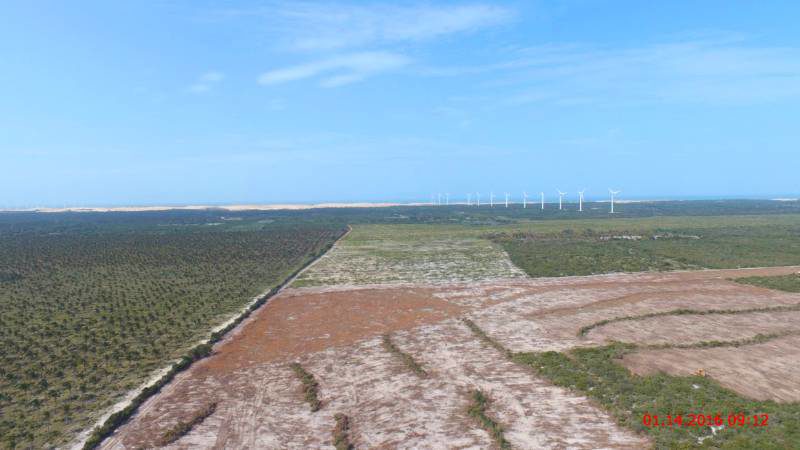 A new dawn breaks over our plantations
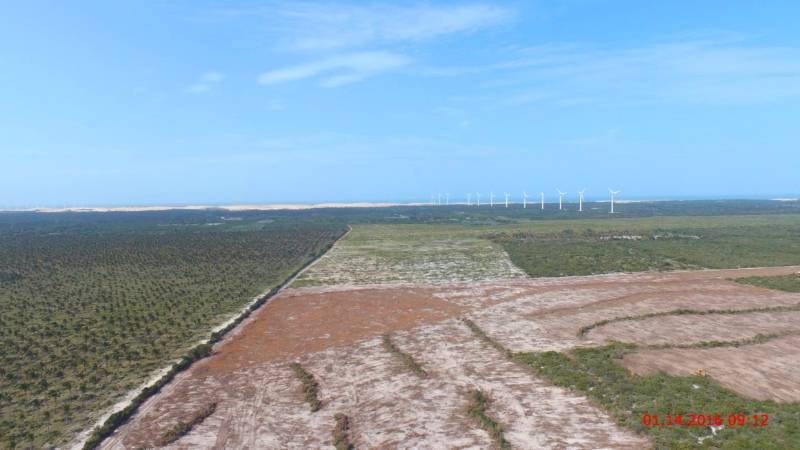
The prevalent theme holds especially true in the agricultural sector, which is famed for saving a billion people from starvation during the Green Revolution of the 1960s. Although industrialized agriculture and the rise of artificial crop care enabled our rising population to thrive well into a new millennium, farming techniques now rely on an unsustainable amount of water, energy and synthetic agrochemicals (often with little regard to any adverse and long-term effects to our environment and health). Responsible for consuming 70% of the planet’s available freshwater annually, eroding nearly 33% of the world’s high-quality arable land and causing 30% of global greenhouse gas emissions, these archaic solutions have become obsolete in the face of modern challenges.
The Great Balancing Act
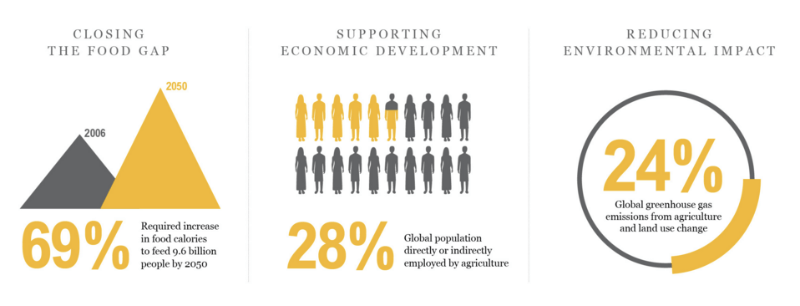
In order to sustainably feed 9.6 billion people by 2050 three needs must be met at the same time
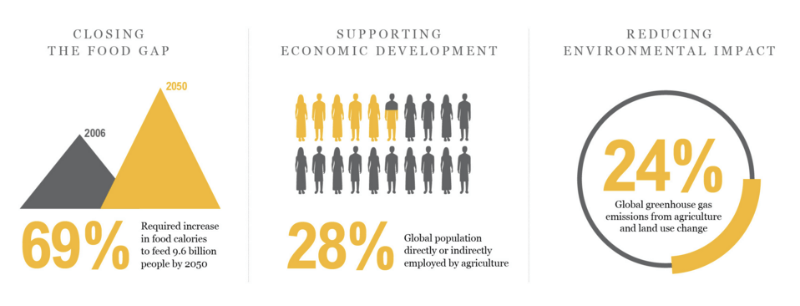 Source: World Resource Institute (2016)
Leading the Way for Sustainable Crop Care
Understanding the major principles for safe, effective and sustainable crop care is essential for developing this evolved agricultural system that focuses on productivity in the long term. While synthetic agrochemicals have proven effective since their mainstream use during the Green Revolution, their secondary effects have now become a significant concern as they are increasingly responsible for the 10 million hectares of arable land that are degraded every single year. Instead of synthesizing new chemicals for use on our plantations, we have adopted a new and innovative approach – relying on the natural world for inspiration.
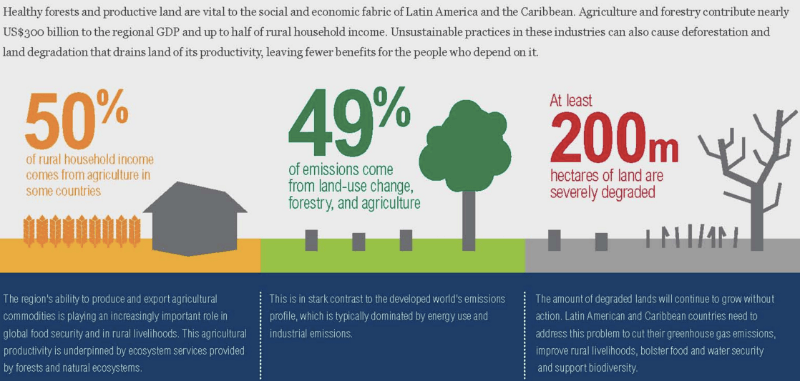
The Need to Manage Land in a Safe and Responsible Manner
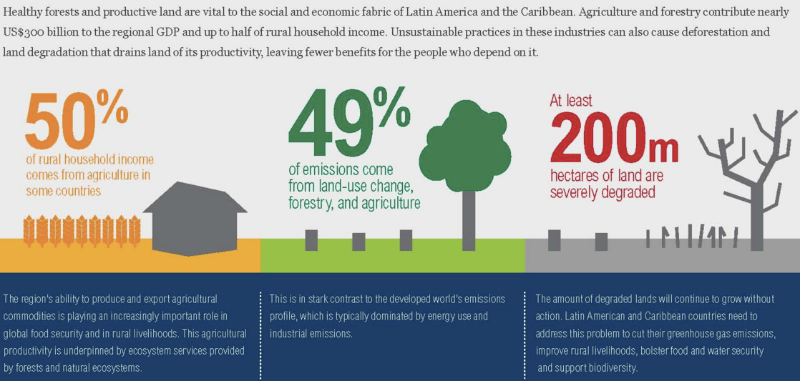 Source: FAO (2016)
By applying technical knowledge specific to each pest and disease, alongside an expert understanding of the nutrients necessary for optimal crop development, we formulate the most effective blend of natural pesticides and fertilizers for use on our plantations. Naturally, a major ingredient in this blend is neem. The oil extract does not kill pests instantly and indiscriminately, but rather disarms only harmful insects, bugs and diseases. This leaves pollinators, beneficial insects and related fauna to provide the invaluable services the world (and agriculture) so desperately needs. Neem even serves as an organic fertilizer, strengthening the organic content in the soil by reducing its alkalinity and producing organic acids on decomposition. Being completely natural, this gift of nature is compatible with soil microbes that nurture healthy bacteria, increase water-holding capacity and proliferate aeration in the soil – ensuring productive soil health and stronger root development in all crops for generations.
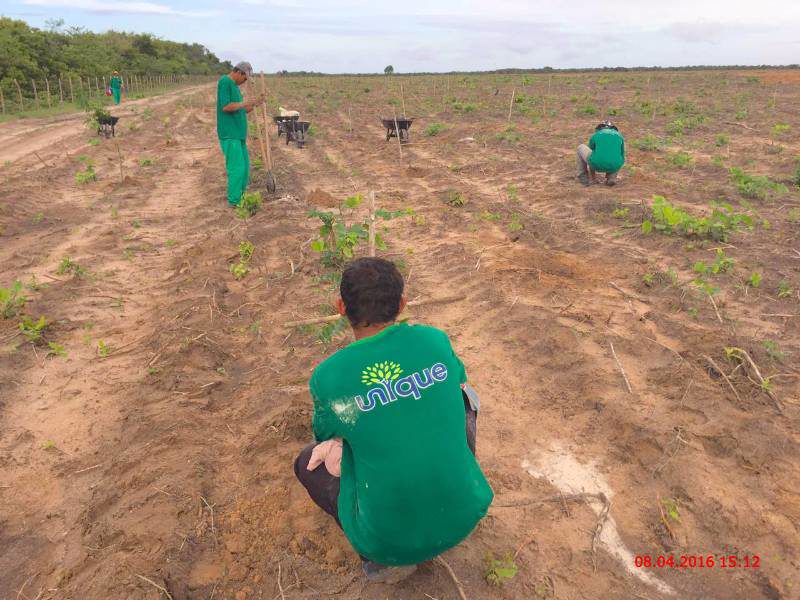 Each tree is given the utmost care and attention on our plantations to achieve the highest yields for generations to come.
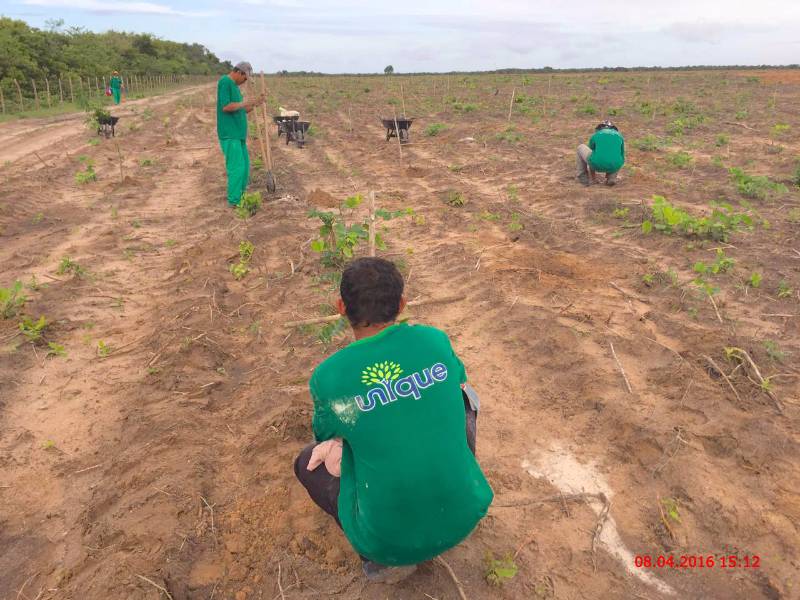
Fast approaching critical mass, organics are becoming a new frontier for crop protection and crop management. Whether utilized as a pesticide or fertilizer, natural products in crop care are the current agricultural saviors attracting both start-ups and heavyweights like Monsato, Bayer and DuPont by the billions of dollars. Using natural plant and mineral derivatives, in addition to the comprehensive methods we use to manage pests and improve yields, we avoid all the damaging consequences that are associated to synthetic agrochemical use.
We are even taking natural crop care a step further by implementing a rotational grazing system on our plantations, where livestock will regularly and systematically move around the land to maximize the quantity and quality of forage growth. Grazed lands allow new vegetation to renew energy reserves, rebuild shoot systems, and deepen root systems, ensuring long-term and maximum biomass production. This improves the natural fertility of the soil while reducing any costs associated with alternative treatment. Deploying our own cultures and systems of organic crop care, which are derived from the most modern and ancient ecological practices of plant nutrition and environmental conservation, we secure the optimal fertility of our soil and the protection of crops on our plantations at all times.
Safeguarding the Global Water Supply by Example
One of the major causes of water scarcity in the world today, agriculture is leaving rivers, lakes and underground water sources dry by consuming 70% of the planet’s available freshwater every year. This is exacerbated by the fact that 56% of total food production currently resides in areas of high or extreme water stress. The good news is that natural, organic and ecological practices in agriculture are paving the way towards a new and higher standard for water use around the world.
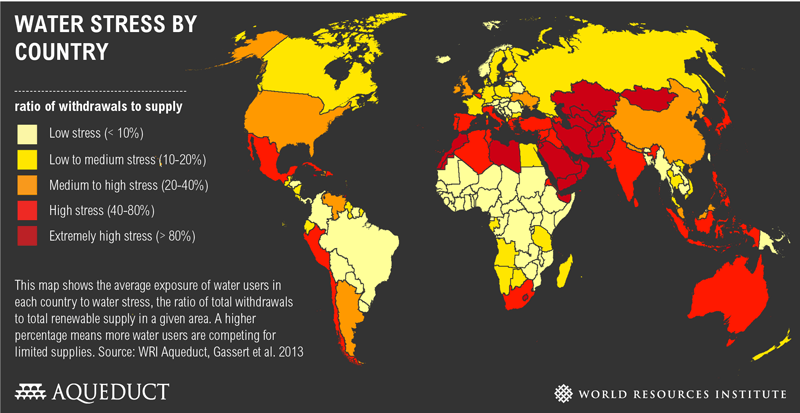 Source: World Resource Institute (2016)
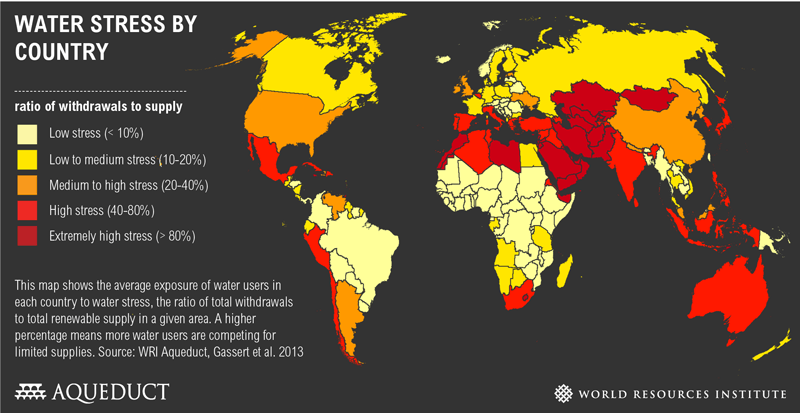
On our plantations we utilize the most efficient and sustainable irrigation technology the world has to offer, allowing us to calculate and distribute the exact water requirements for each of our crops on a daily basis. With equipment supplied by Netafim, the world’s leading specialists in irrigation infrastructure and technology, we are able to conserve the highest amount of water while ensuring the appropriate levels of hydration for every single tree on our plantations come rain or shine.
In order to further ensure sound water management throughout even the driest periods of the year, we are in the process of constructing a new water reservoir. Utilized as an additional water source supplying our newly developed pump house, this reservoir will be lined with a low permeability geomembrane to prevent water loss and act as safeguard from damaging UV and weather exposure. This is in addition to the eco dams and bore holes already implemented on our plantations, which have the combined capacity of 286 million gallons of water.
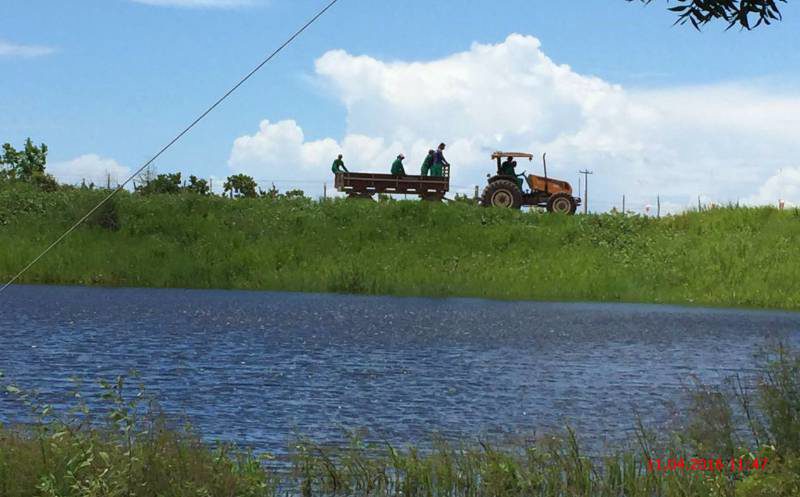 By investing significantly in our own eco dams, we continually strengthen our water reserves to supply the needs for the whole plantation at the lowest maintence and environmental cost possible.
Utilizing the World’s Most Powerful Energy Source – the Sun
Energy for growing and harvesting crops is one of the most expensive and environmentally damaging factors of plantation management. Rather than proliferating the global use of fossil fuels, we are developing the capacity to harness the lasting and clean power of the sun across all of our projects. Ensuring that all infrastructures on our plantations have been designed to receive a photovoltaic supply of solar power, our ultimate objective is to meet the demands of our on-site facilities and irrigation systems in an entirely sustainable and environmentally friendly manner.
Fulfilling the Primal Needs of Man
Our greatest challenge is to transform the archaic system of modern agriculture into one that guarantees the nutritional needs of all are met in a safe, healthy and sustainable way. In order to achieve this objective, we continuously preserve and restore critical habitats, carefully manage our resource supply and naturally improve the condition of our soil and crops. We secure high yields, protect soil productivity and maintain environmental quality in the long term through our expert understanding and practice of sustainable agriculture in all of our projects.
By engaging with the primal needs of man, we aim to provide lower risk and higher returns than traditional asset classes. We are certain that in a world demanding and deserving of higher social responsibility, sustainable businesses such as our own will ensure a more conscious and profitable future for us all.
March 25, 2016
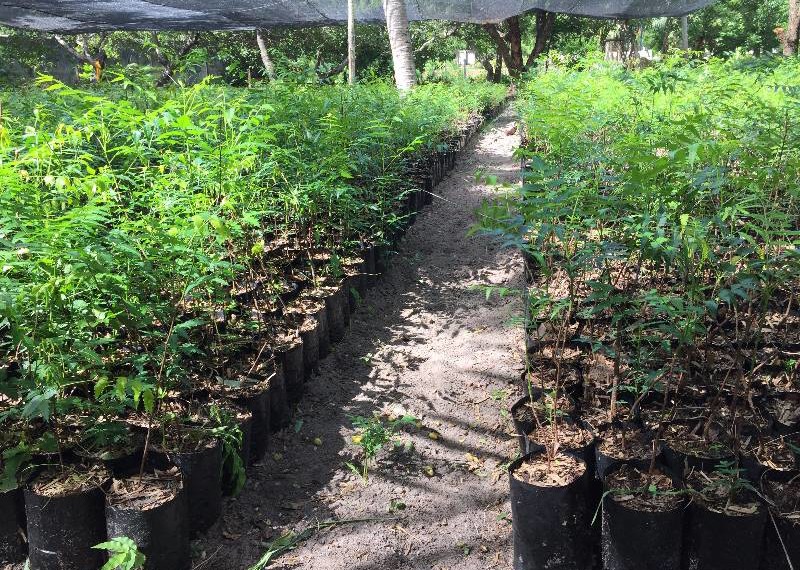
Now that we have acquired the appropriate licensing to clear and plant neem over 700 hectares of Fazenda Rio Grande and Fazenda Palmeira Grande, this next phase of implementation will see nearly 300,000 neem trees in the ground – taking us one step closer to becoming the largest producers of neem on the planet.
Following extensive research conducted by our in-house agronomists, we have more than doubled the amount of neem trees grown per hectare on our plantations as we look to maximize capacity, achieve the highest yields and return the greatest profit.
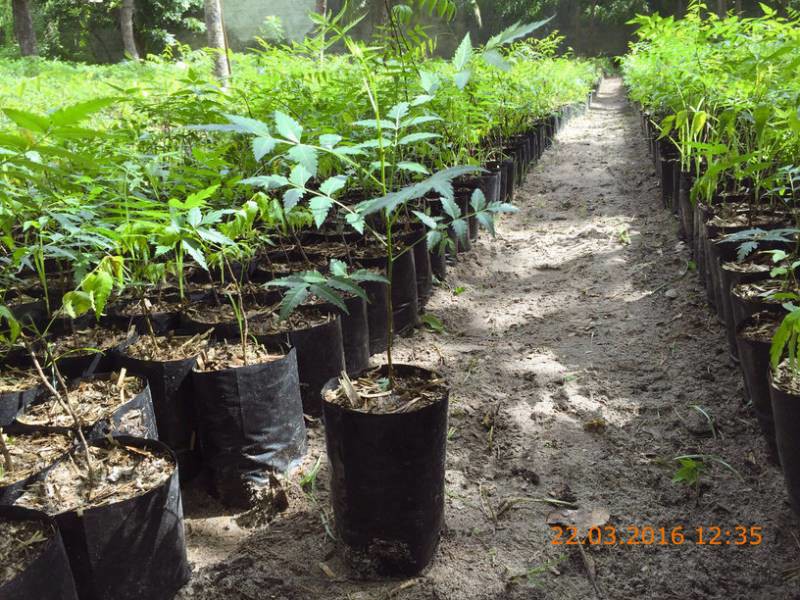 A new generation of neem saplings developing at the nursery
By revolutionizing agriculture through the adoption of ecologically sound practices throughout our plantations, we continue to uphold and invest in the solutions to the world’s most significant challenges. Taking this a step further, we have dived into the production of an incredible crop with several benefits to mankind – neem. Convinced by our passion to create real value alongside a new era of sustainability, we strive towards a new, environmentally productive and lucrative future for us all.
Harnessing the Tree of the 21st Century
A feature of community life in Asia for centuries, neem is rapidly becoming renowned worldwide for its contributions to sustainable agriculture and organic healthcare. Mainly utilized as a natural pesticide and fertilizer, while being a healthy additive in livestock feed, recent studies have demonstrated the tree’s capacity as an antiviral, antibacterial, antimalarial and anti-carcinogenic. Immune to resistance, entirely biodegradable and cost effective, neem is a valuable solution at a time when mosquito borne viruses such as Zika and Chikungunya are proliferating. With the capacity to service a broad range of markets, from the retail, agricultural and pharmaceutical industries, this incredible (soft) commodity also supports the decisive shift to healthier food and supplies the increasing demand for organic products worldwide.
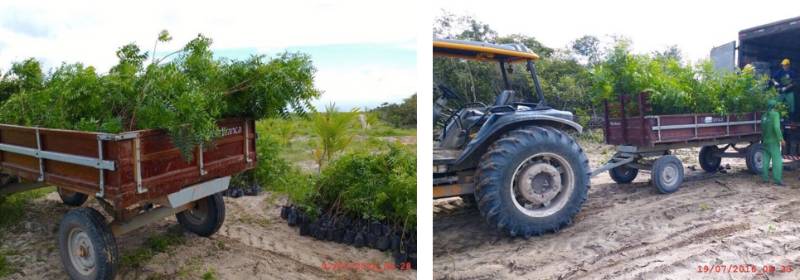
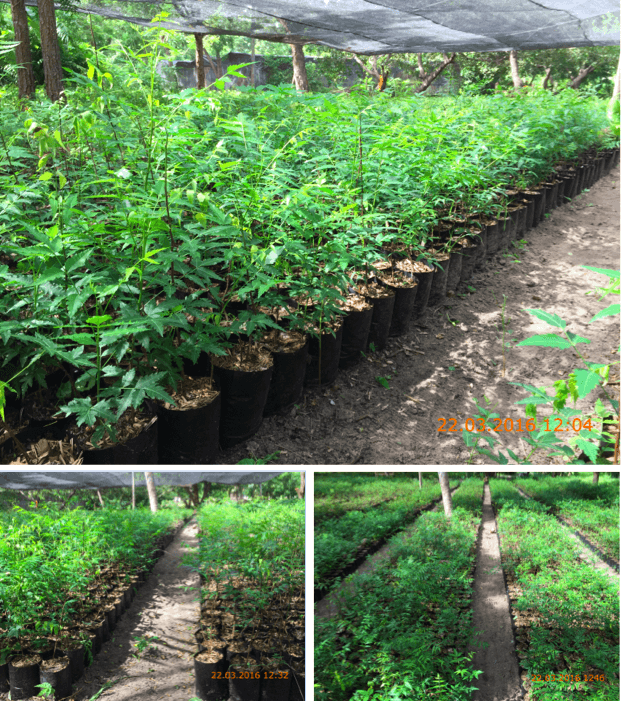 Neem saplings ready to transport from the nursery to FRG and FPG
After acquiring all our neem seedlings from Universo Agro, Brazil’s leading seed distributor and agricultural services firm, we immediately house them in our nursery for the initial stages of plant development. Each sapling, placed in a grow bag full of soil and applied with the appropriate nutrients vital for growth, is monitored and nurtured by our specialist agronomists for at least six months. Having reached the appropriate age for life on our plantations, we have now begun transporting and planting a new generation of neem saplings.
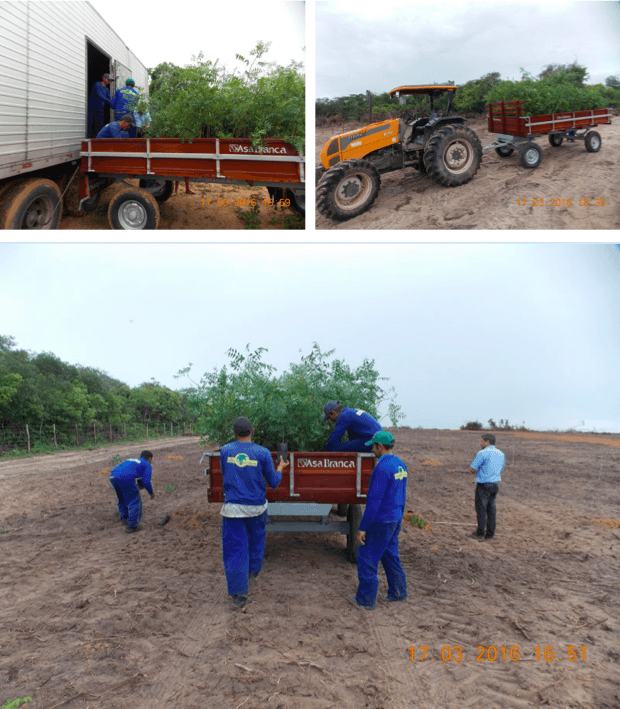 A new batch of saplings arriving on our plantations
Investing In Our Mutual Future
416 neem trees are now being planted in each hectare, rather than the originally planned 200, with a spacing of 6m x 4m between each tree. In line with the latest research, our agronomy team believe that this is the perfect volume to maximize productivity without compromising the quality of yield nor inhibit a cost effective harvesting program – which in turn will yield the highest possible returns for our clients and ourselves. The initial outlay for planting has obviously increased and this extra outlay is being borne by us, exemplifying our continued belief in this project and the profit potential within. Outlaying a little more today, in order to generate more in the future.
This improvement has become possible through our continued desire to ever evolve and improve our practices, our association with the very best experts in the business and our steadfast commitment to the project. As part of making this reality, we are utilizing our in-house team to expand the amount of neem saplings available in Brazil by vastly increasing the scale of our very own nursery and producing genetically select trees from the top producing neem trees in the country.
We are planning a plantation tour in Q3/Q4 of this year and hope as many of our clients as possible will be able to attend to see these improvements and the expansion of our project first hand (tour details to be announced when finalized).
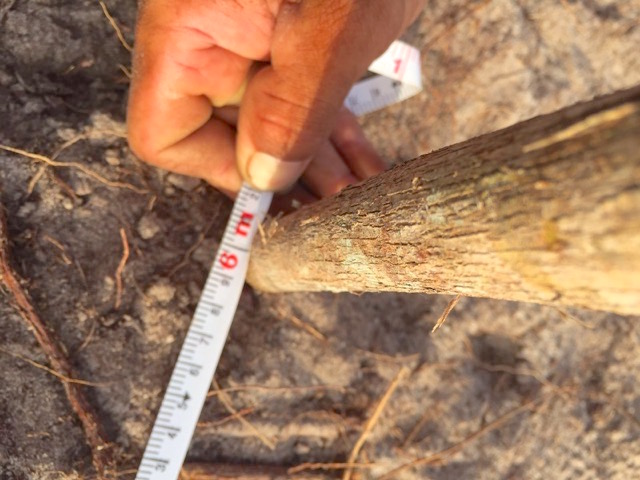 Once measured, the placement of each tree is marked with a pole as a point of reference
Securing the Very Best Soil for our Trees
Once each hole is dug in preparation for planting, the soil is prepared and applied with our own blend of organic fertilizers. This will ensure the most beneficial environment for our trees, grounded by soil full of the nutrients necessary for maximum development. First calcium carbonate is applied, providing the soil with high levels of calcium and magnesium and reducing the acidity that naturally exists in the topsoil. This favors the microorganisms found in the environment that are beneficial for sustaining life.
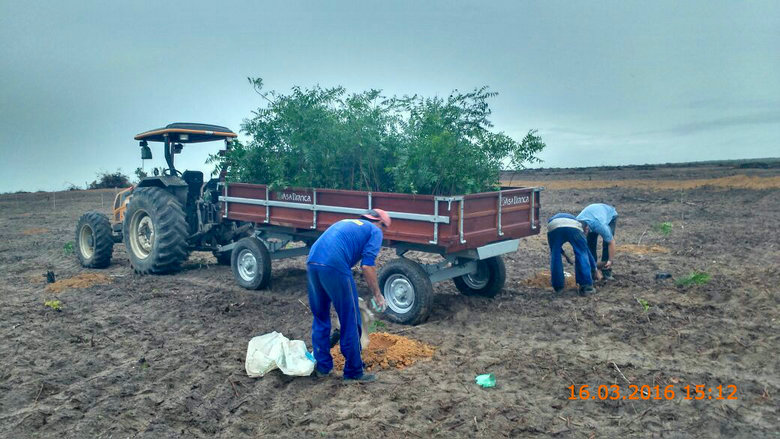 Our team of agronomists carefully plan and execute the fertilization process for every tree on our plantations
We then add calcium sulphate derived from purely natural origins (gypsum), which allows for the roots to bind to deeper layers of the soil and removes any excess (and damaging) aluminium in the earth. We also apply a natural organic compound found in chicken manure, which will strengthen the organic material already found in the soil. This is vital for the initial months after the neem tree is planted as it allows for a greater absorption of water during the rainy season. Finally, and most importantly, natural phosphate acquired from sediment found in Africa, Tunisia and Morocco is applied at the time of planting to facilitate growth.
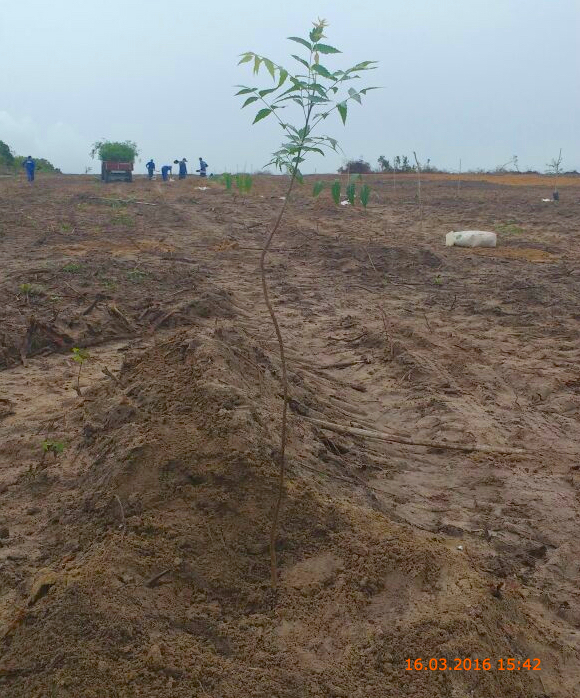 The first neem tree planted of this phase
Saving the World One Tree at a Time
Each individual neem sapling is planted manually, with the upmost care, after the holes have been dug and the organic fertilizers have been applied. Now exposed to the natural elements, we ensure that each tree has the appropriate levels of crop protection as these first months are integral for tree development. The most important element of crop care in this period is the fight and control of leaf cutting ants Atta and Acromyrex; the major pests found in the initial phase of neem growth. After this control, we will see an accelerated rate of growth for our neem trees just in time for the rainy season here in Brazil.
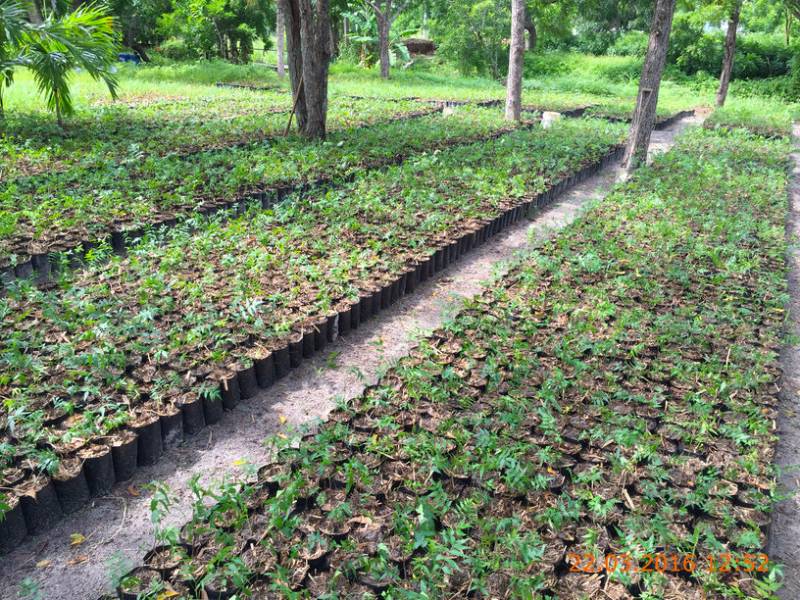 The neem seedlings for our next stage of planting have been ordered and will be sent to our nursery in the coming weeks
While we continue planting on Fazenda Rio Grande and Fazenda Palmeira Grande, the next generation of neem seedlings are making their way to the nursery for initial care and development. This production cycle of sourcing seedlings, preparing the land and planting trees will be vital in the coming months and years as we build the largest neem plantation in the world.
In order to view more pictures of daily life on our plantations, please be sure to visit the Unique Gallery. A new Plantation Development section of the Unique website will also become available next week, hosting regular updates on implementation activity as and when it occurs on the ground.
March 11, 2016
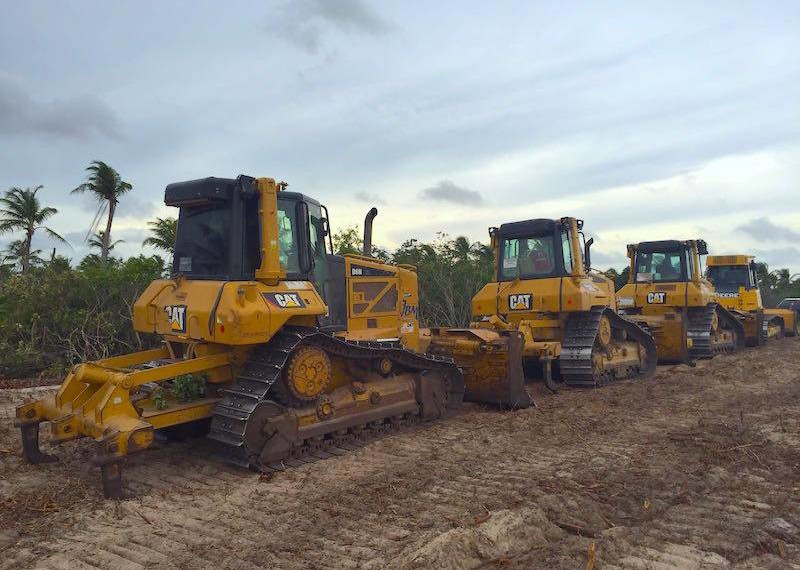
Now that the construction of our new pump house is complete, the expansion of our irrigation infrastructure and energy network has been finalized and the first 100 hectares of land on Fazenda Rio Grande has been cleared, we have reached one of the most exciting and fulfilling stages of implementation – planting.
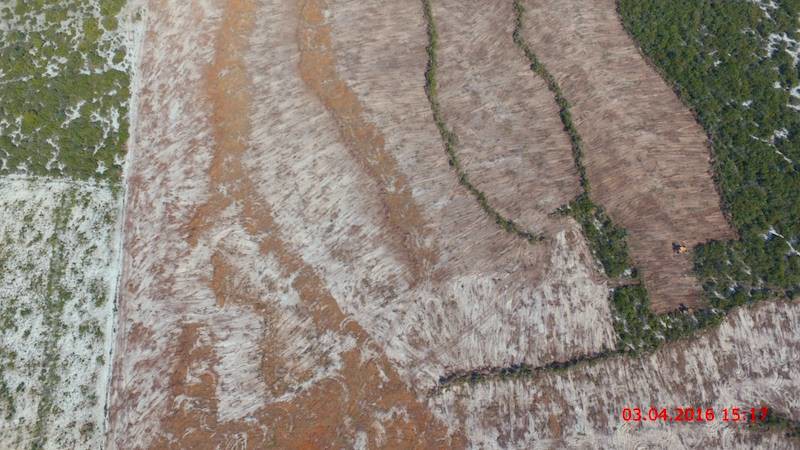 An aerial shot of clearing on Fazenda Rio Grande
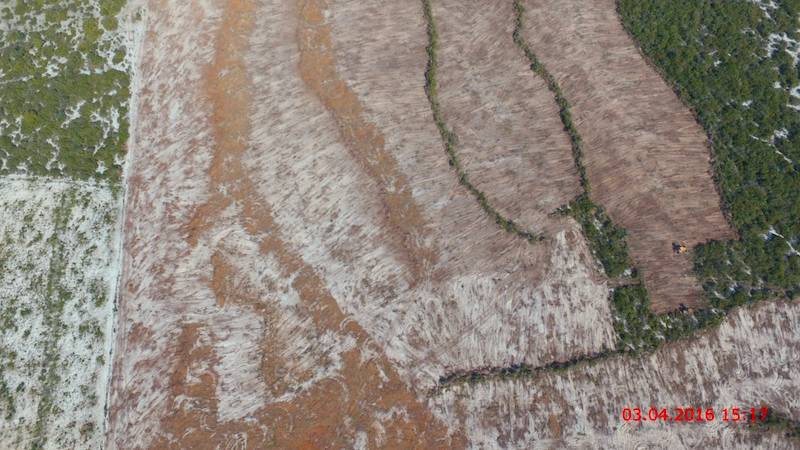
Before delving into the precise techniques our agronomists use for planting neem, which is scheduled to commence on our plantations this week, we have compiled a visual history of all the activity that has taken place on the ground as we prepare for this next stage. With a camera crew, photographer and drone recording each stage of the implementation process this year, we have amassed a collection of photographs and video footage documenting the large-scale operations that have taken place on our plantations. This collection will be available to view on the Unique website over the coming weeks.
Clearing Land to Expand Our Projects
With plans to expand our projects and clear approximately 1,000 hectares of land in this phase, we ensure that all activity on our plantations is executed with the highest level of safety, efficiency and environmental consideration.
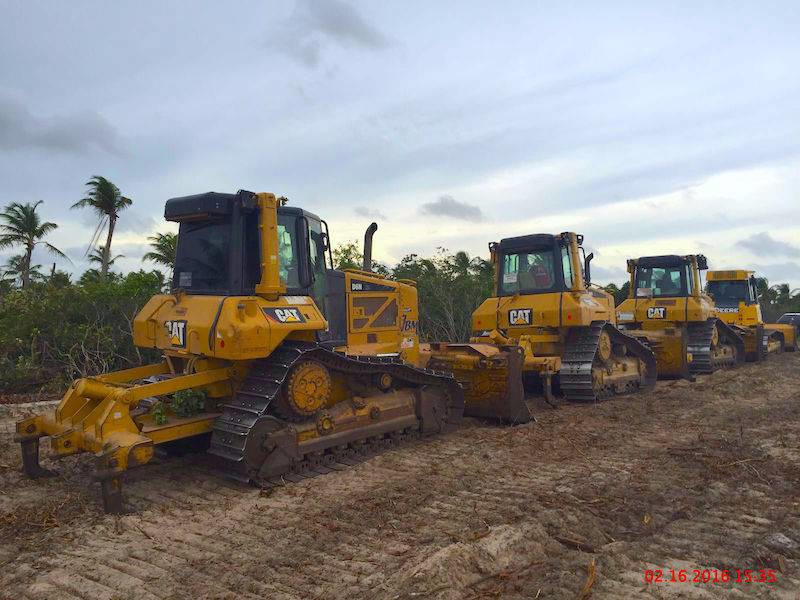 Three D6N Caterpillar tractors, a John Deer 700 tractor and a Denic Cimaf DAF 15OD dresser with excavator provide the machinery necessary for fast and efficient land clearing.
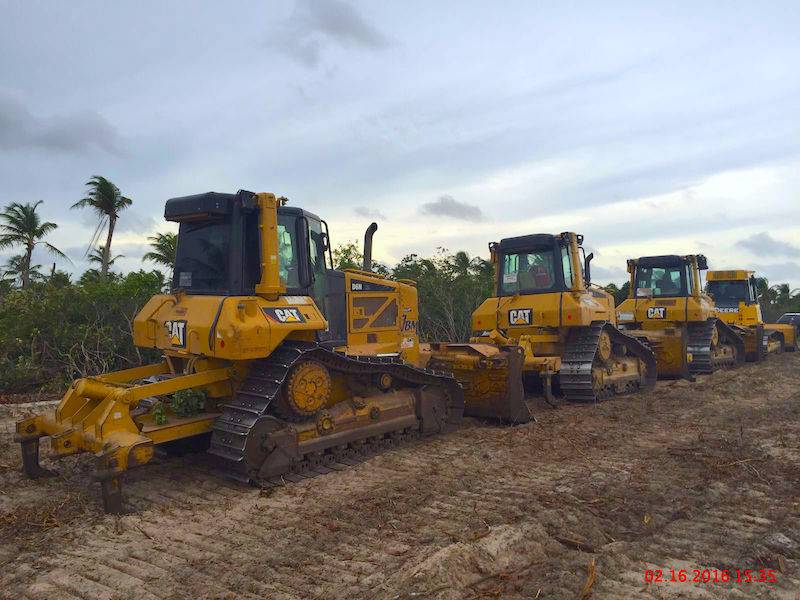
We are clearing the land on our plantations with the most ecologically sound and sustainable processes, ensuring that all organic material remains in the soil in order to strengthen tree development when planting. This ensures that all organic material remains in the soil and allows for stronger tree development in preparation for planting.
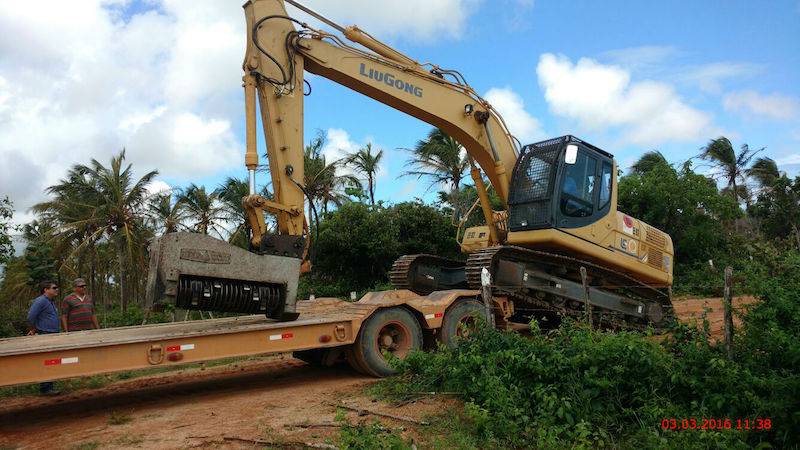 This machine shreds any cleared shrubbery on our plantations so that the excess can be ploughed back into the soil
In order to maintain the region’s natural biodiversity throughout the clearing process, we have monitored the fauna and wildlife that exists on the land and safely relocated them to a reserve area on our plantations.
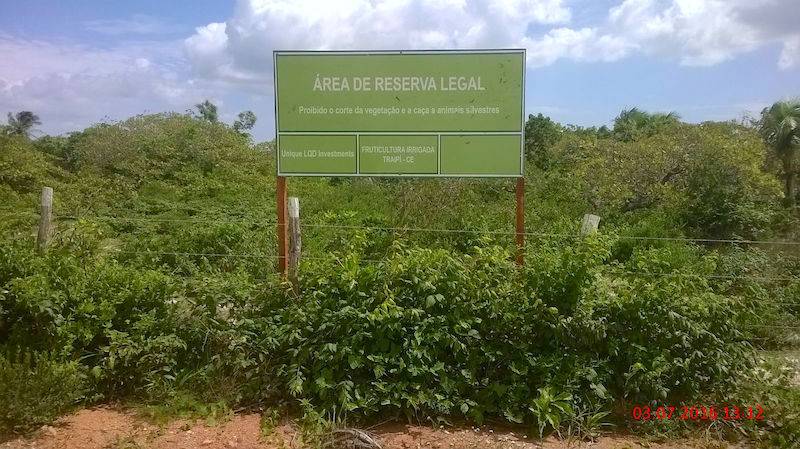 The dedicated reserve area for any fauna and wildlife found across our plantations
As one of the leading examples of sustainable agriculture in the region, we have now developed a more productive relationship with the state’s environmental authorities (Semace) and continue to receive the necessary licensing to increase the scale of our projects at a greater pace than ever before. This relationship will be key in enabling us to become one of the world’s foremost producers of neem.
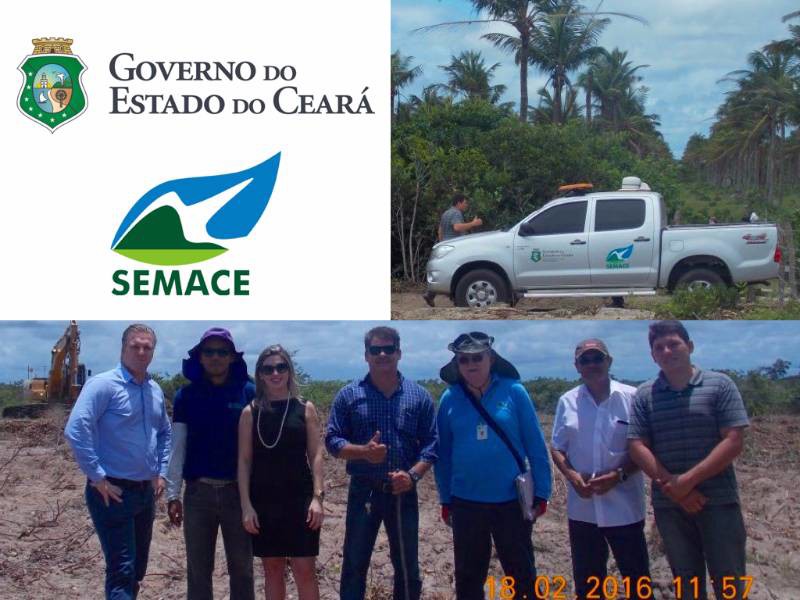 Semace representatives on site at our plantations with Chief Operating Officer Andrew Goodman, General Manager Erika Parente and members of our plantation staff
While the first half of Fazenda Palmeira Grande was cleared and approved for planting over the last few months, we have now received the license to begin the process for the second half. This section of the plantation will be cleared and ready for planting from April 2016.
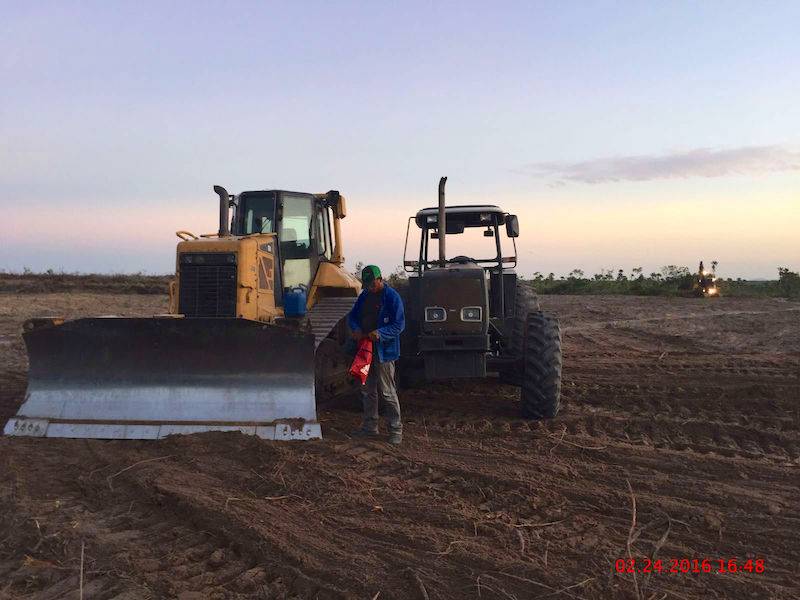 The sun sets on a good day of clearing on Fazenda Palmeira Grande
Ensuring Irrigation Infrastructure is Sustained Across All Sectors
We are glad to announce that the construction of our pump house is now complete, forming the foundation of the comprehensive irrigation infrastructure that exists throughout each sector of our plantations.
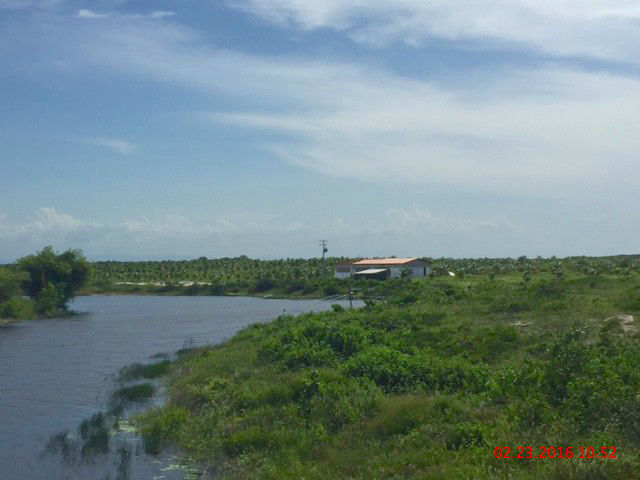 Our newly developed pump house, which will serve as one of the hubs for operations related to irrigation and fertilization
Currently, 234 hectares of Fazenda Lagoa Grande are fully irrigated and specialist technicians housed in this new development will control the level of water and fertilizers distributed throughout these sectors.
The reach of our new pump house is being facilitated by the three-fold increase of the energy capacity on our plantations from 45 kwa to 142.5 kwa. This will allow our pump house to have a greater reach and ensure more efficient water and fertilizer distribution cycles.
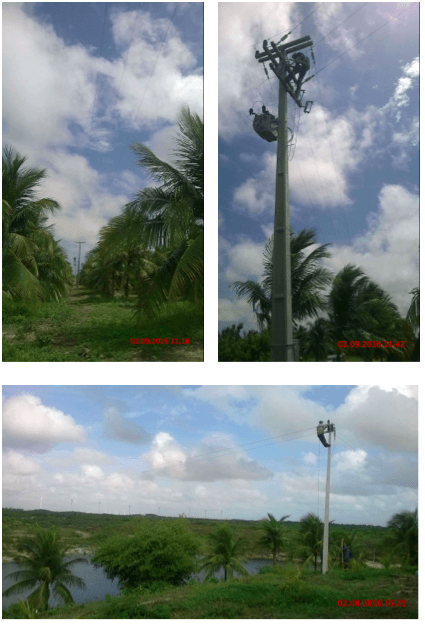 By acquiring new generators and installing additional electrical networks across the plantations, we will triple our energy capacity
Preparing the Land for Planting
Now that the land on FRG is cleared and that we have received the appropriate licensing to begin planting, the next step is to prepare the soil. With the planting of 100,000 neem trees in this phase scheduled to begin this week, the soil in the sector has been cultivated and ploughed to break up clods, remove weeds and transform any woody material into organic compounds. This facilitates the development of the saplings in their vital first few months in the soil.
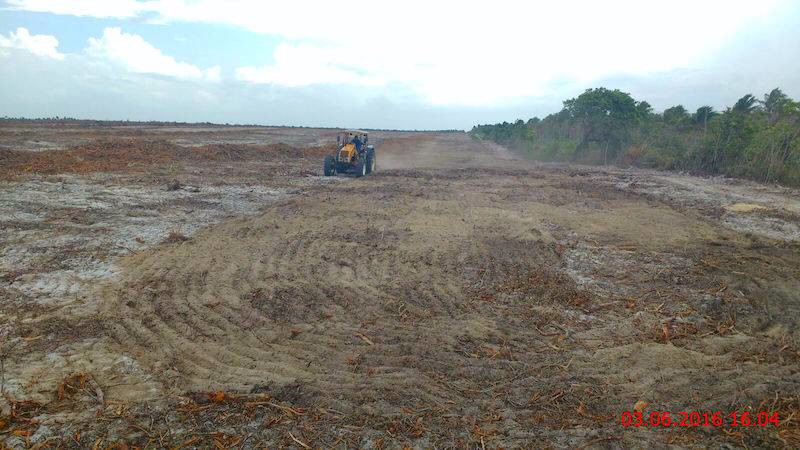 By harrowing the land we ensure that the organic material in the soil surfaces, strengthening root development once the saplings are planted.
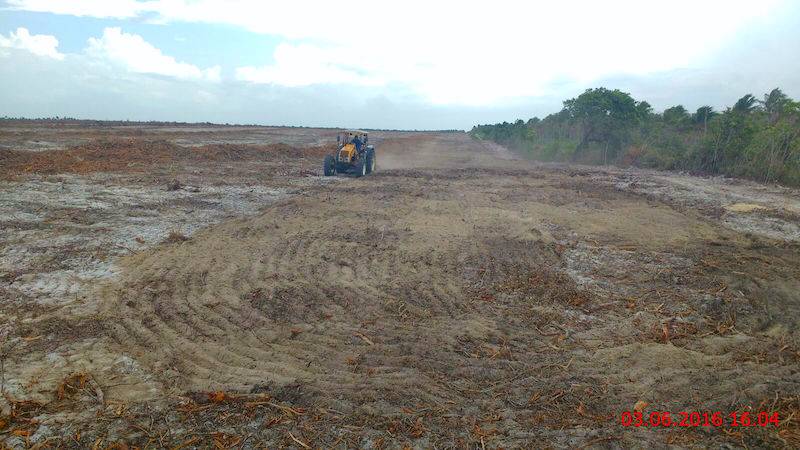
As the soil on FRG has already been cultivated, we have now begun digging holes in preparation for planting the neem saplings. Once these have been dug we will introduce organic fertilizer to ensure that all the necessary nutrients for plant growth remain in the soil.
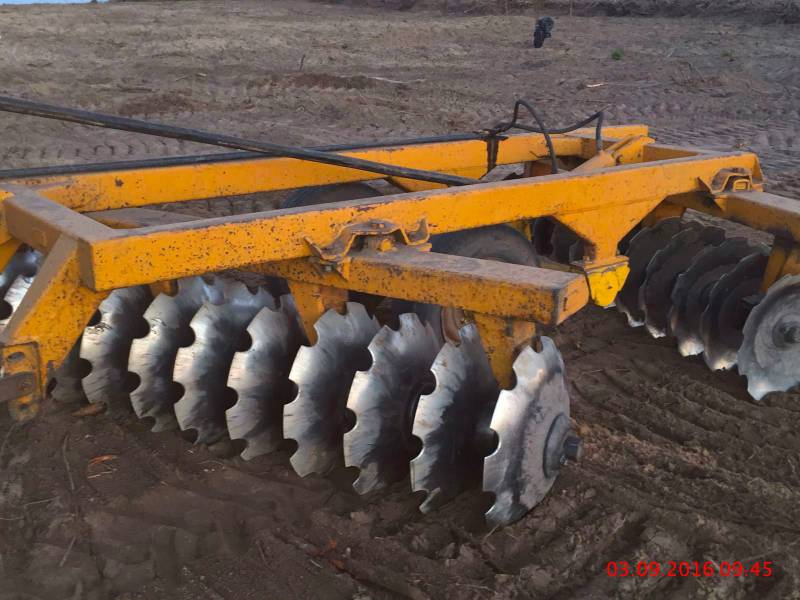 A closer look at our harrowing equipment.
With planting scheduled for this week our next update will focus on neem’s journey from our nursery, where each sapling has been carefully nurtured in their early days of development, to our plantations. The next stage of project implementation is now underway and we look forward to showing you a new generation of neem trees in the ground.
February 12, 2016
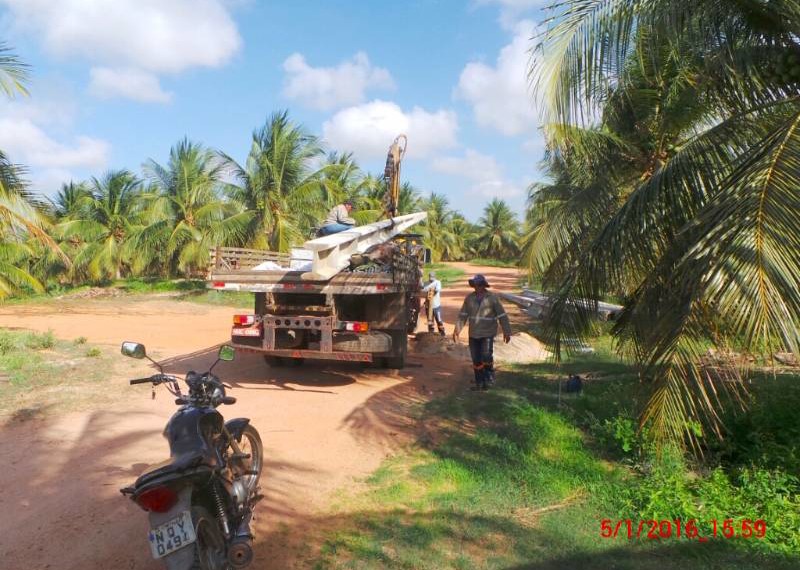
With severe and unpredictable weather patterns on the increase worldwide, scaling up our projects has relied on us overcoming the very real challenges of a changing climate. With experts at the COP21 United Nations Climate Summit and the World Economic Forum adding credence to the debate, political and financial leaders around the world have begun to take appropriate action. We, as an organization at the heart of agricultural production, have faced the tangible effects of climate change on our projects since inception, and we continue to invest heavily in their solutions to this day. While we are proud to announce the accelerated levels of productivity achieved on our plantations, we know that these challenges and others will need to be negotiated throughout the implementation stages and we continue to be as resolute as ever.
As we look to the future, we, along with all agricultural management companies, must prepare ourselves for an uncertain global climate. With fluctuating rainfall, severe droughts and an increasing unpredictability in water supplies, greater pressure will be placed on the world’s agricultural supply chain. To counter these changes and to meet ever more stringent licensing requirements, we have strengthened the infrastructure on our plantations beyond what was originally expected, through the development and expansion of our fertigation infrastructure and energy network.
Doubling the Capacity of Our Energy Network
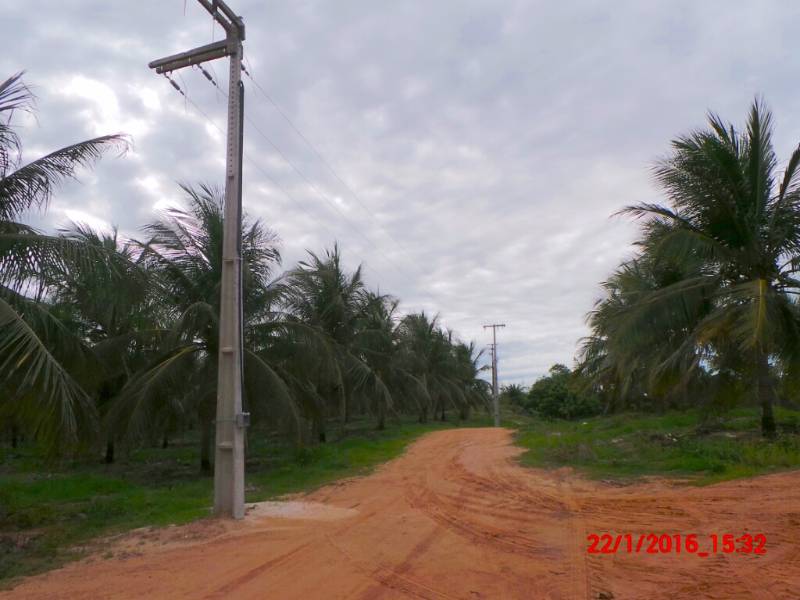
With more land and variable climatic conditions comes a greater demand for energy. As energy use for growing and harvesting crops is a large component of farm operating costs, energy distribution infrastructure needs to be reliable and efficient at all times. We are therefore expanding our energy network to ensure that higher energy capacity is available across each sector of our plantations. By acquiring new generators and installing additional networks across the plantations, we will double our energy capacity, which will better prepare us for the uncertain climate ahead. This added capacity ensures that a sufficient level of energy is utilized across all sectors of our plantations, broadening the reach of our newly constructed pump house for crop care and protection.
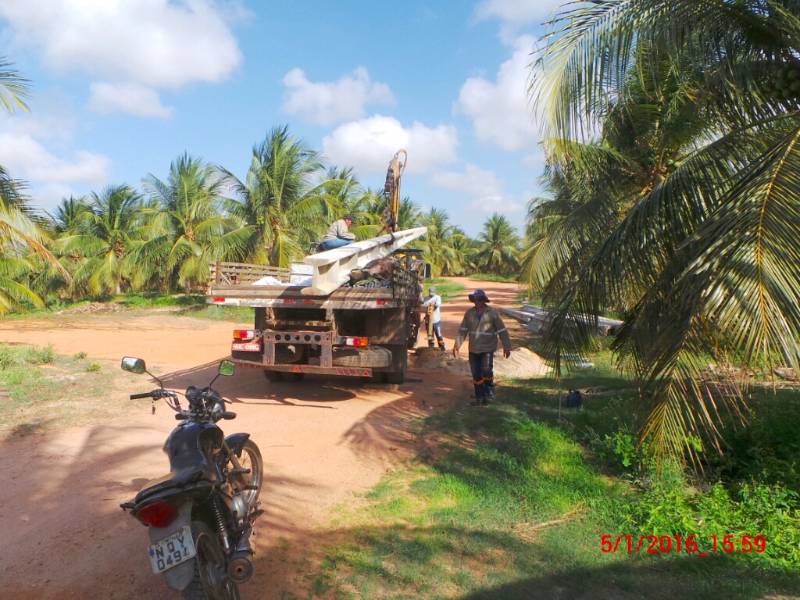
Extending the Scope of our Irrigation and Fertigation Systems
Hydration and fertilization are two of the primary considerations for crop care in plantation management, even when conditions are perfect. Crop yields are affected by any fluctuations of temperature, wind and rainfall, as well as shifts in climate. As discussed in our recent forecast newsletter for 2016, this year will see one of the strongest El Niño events since 1950. This is expected to cause major disruptions, widespread droughts in some areas and severe flooding in others, across the continents. The El Niño of 1997 cost $100 billion in damages, a substantial amount of which was lost due to lower agricultural output. The upside is that these changes do have forecasters expecting a surge in global food prices, the downside is that they have also caused the need for us to further strengthen our water reserves and fertigation systems.
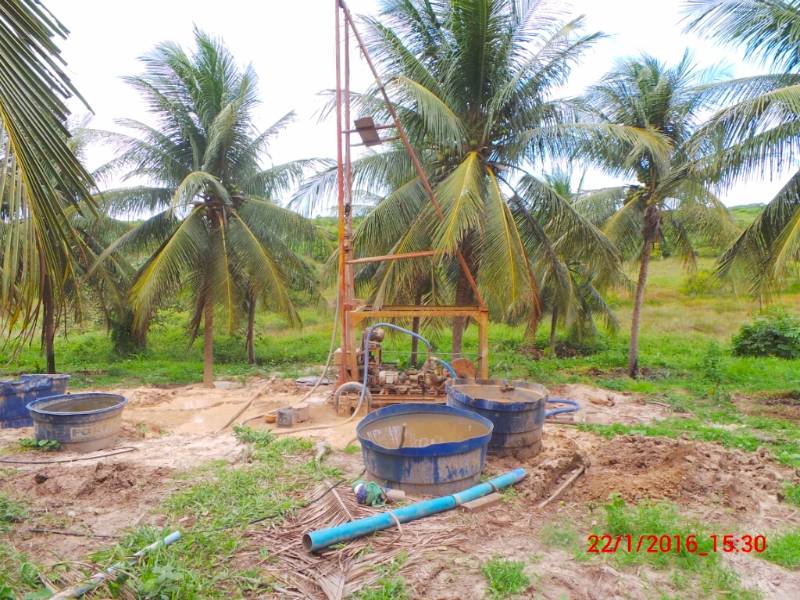 We continue to dig wells across our plantation that allow for the distribution of 12,000 liters of water per hour each
In order to ensure the precise, effective and efficient distribution of water and fertilizers across our plantations, enabled by the expansion of our energy network, we have acquired an additional two new Netafim fertigation kits for FLG. As specialists in irrigation technology, Netafim offers an expertise in agricultural crop care that we utilize to this day. These “Fertikits” will be housed in the central sector of the plantation and boost our already expansive irrigation network. Similarly to their predecessors, these Fertikits allow for the release of specific amounts and concentrations of water and fertilizer for our crops. This is the most accurate and reliable system for irrigation on the market, largely due to the fact that it is customizable and can work independently of field conditions.
Finalizing A New Control Center for Our Fertigation System
The specialists who are responsible for operating the state-of-the-art fertigation system will base their activities in a technical office and storage house being constructed at the heart of our plantations. For the time being, this office is being built adjoining our new pump house, with further plans in the pipeline for a specific technical and analysis office in the next phase of the project.
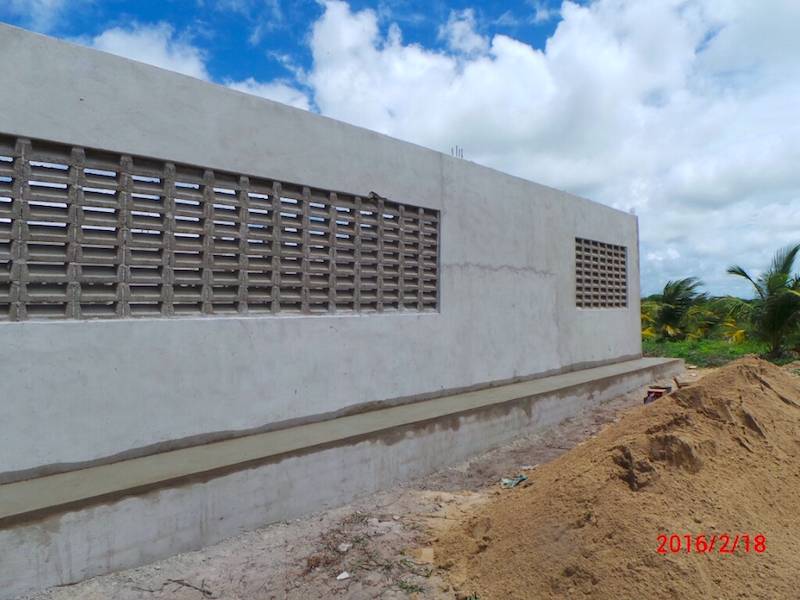
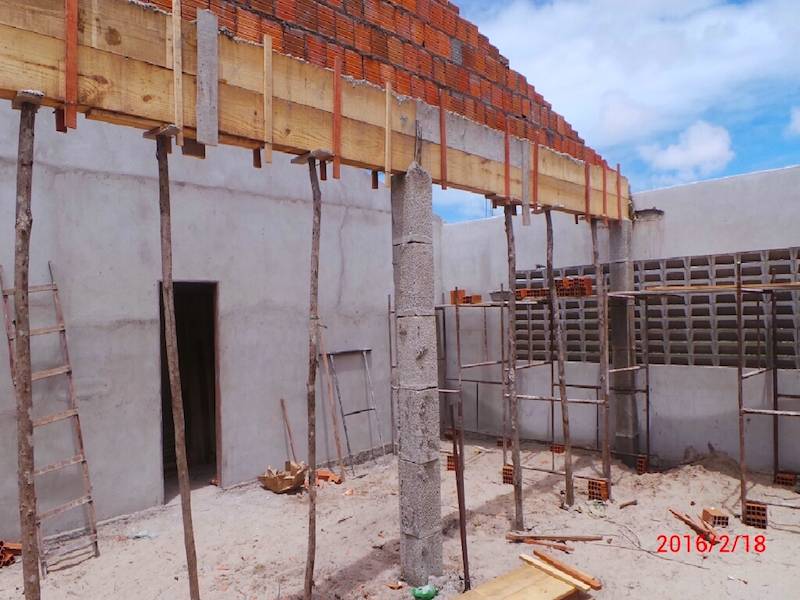 Construction on our new technical office is nearing completion
The development will serve as the hub for all operations related to irrigation and fertilization. This will also serve as a storage facility for our fertilizer supply modules and pump systems. This consists of six large tanks where the fertilizer is stored as well as an irrigation network that is controlled via Netafim terminals.
This phase of construction will be finished in early February allowing Electrovale, experts in Brazilian irrigation, to install all the pumps and tanks necessary for the expansion. Our new and upgraded system will be fully operational by March.
With the necessary infrastructure in place we are well on our way to beginning the next phase of planting neem on our plantations. As one of the most exciting stages of implementation, we will soon be providing you with a detailed update of the process involved in transporting and planting the first 50,000 saplings that are currently maturing in our nursery.
January 15, 2016
- The authorization and licensing for clearing land on Fazenda Rio Grande (FRG), which was acquired in December 2015 due to the responsible and sustainable operations on our plantations.
- Demonstrating the sheer scale and process of clearing the land on FRG, as well as the infrastructure and machinery required for such an undertaking.
- An extension of the energy network across our plantations, which will nearly double the energy output throughout each sector.
- The construction of a 200m2 office for our technicians to operate our newly implemented fertigation system, which has the capacity to adjust the frequency, amount and concentration of organic fertilizer used across our plantations.
- The clearance of another 800 hectares of land in anticipation of planting season
- The process involved in sourcing new land for the expansion of our projects.
Land on FRG is Being Cleared and Readied for Planting
Clearing land and preparing the soil for planting are fundamental procedures in securing high yields in modern agriculture, a process that is often delayed by the infamous bureaucracy here in Brazil. Nevertheless, due to the comprehensive and environmentally friendly strategies adopted throughout our plantations, we successfully acquired the appropriate authorization to clear and implement the next stage of our project, within Fazenda Rio Grande (FRG).
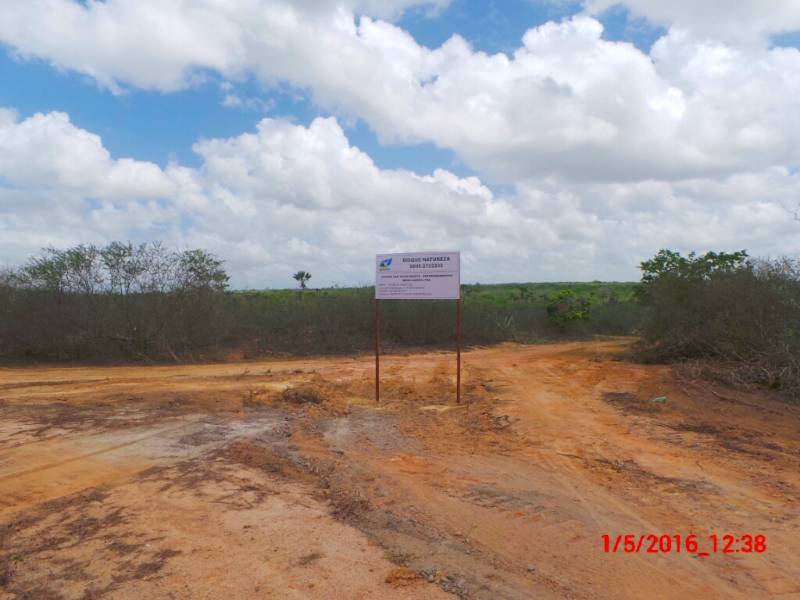 The road entering Fazenda Rio Grande
When ensuring sustainable practices in land clearance, environmental considerations such as maintaining biodiversity, preserving wildlife and caring for the soil are paramount. Before the clearing begins, we set up a framework for monitoring any fauna and wildlife that exits on the land. By safely relocating any of this wildlife to a dedicated reserve area on our plantations, we can maintain the region’s natural biodiversity. We then use Caterpillartractors, working round the clock, to clear the land of any shrubbery. Instead of burning the shrubbery (a common practice in agriculture despite being harmful to the environment), we shred and plough the excess right back into the soil. This allows the soil to remain healthy, while ensuring that all nutrients necessary for optimal tree development remain.
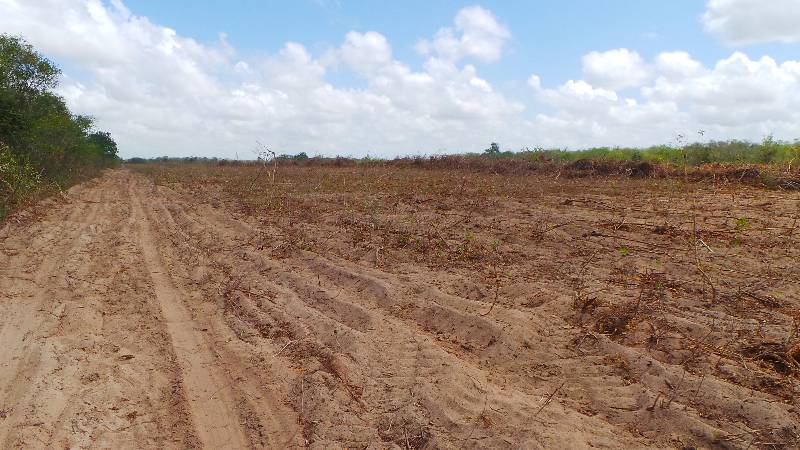
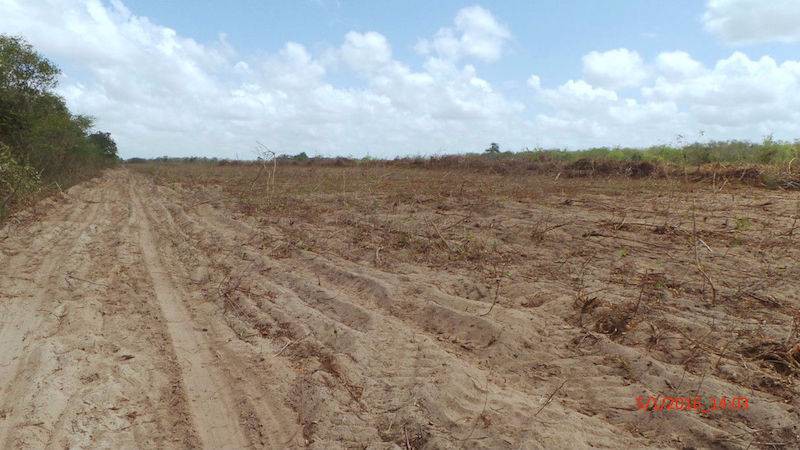 With clear skies above, the land on Fazenda Rio Grande is being cleared in time for rainy season.
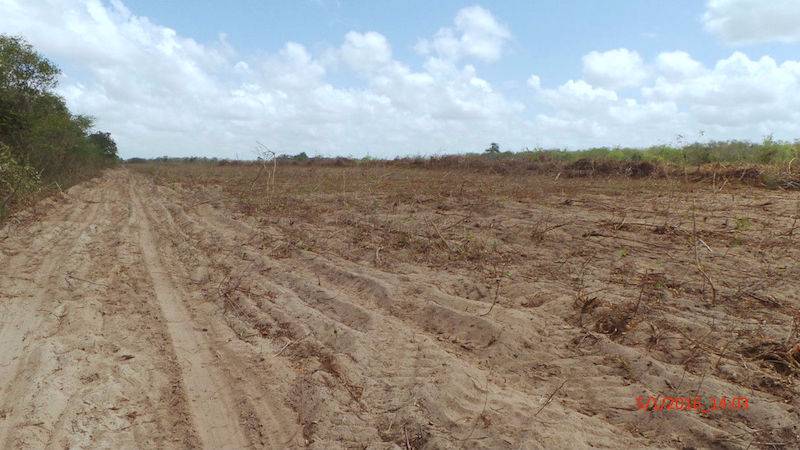
Determined to ensure this level of social responsibility is adhered to in all sectors of our plantation, we are helping to evolve a more environmentally-friendly system for agriculture. This is becoming increasingly vital at a time when the Earth’s resources are under severe pressure. Semace, Ceará state’s environmental authorities, remain highly interested in our projects as we are setting the bar on sustainable agriculture in the area. We offer a variety of environmental, economic and social benefits to the region, which include job creation in the community, local development and environmental protection.
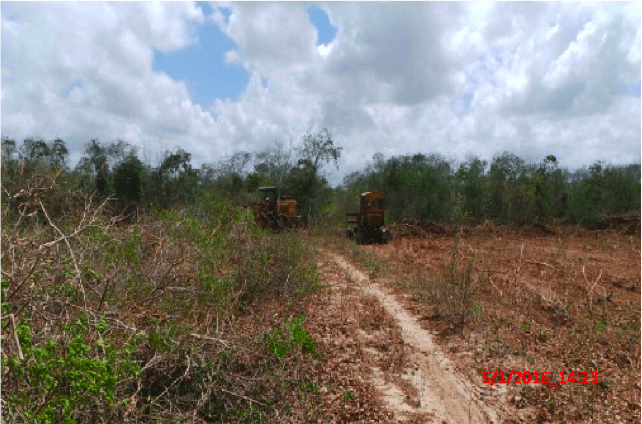 We have two “Caterpillar” machines working together to clear as much land as possible each day
With the help of the very latest plantation equipment, we have now reached the final stages of clearing on this section of FRG. Clearing at a rate of 2-6 hectares per day (dependent upon density of shrubs), this stage of implementation will be finalized in a matter of weeks. Once the land is cleared, we will be ready to plant neem trees across this sector of the plantation and move on immediately to the next phase. This is perfect timing for the rainy season that is fast approaching. The upcoming stage of planting will be underway at the start of February, the very beginning of the wet months. This will ensure maximum growth while the trees are in their infancy and ultimately produce the high quality trees aimed for since concept. These neem trees, while being a natural leader in carbon offsetting, will produce extraordinary products that help safeguard global health and agriculture.
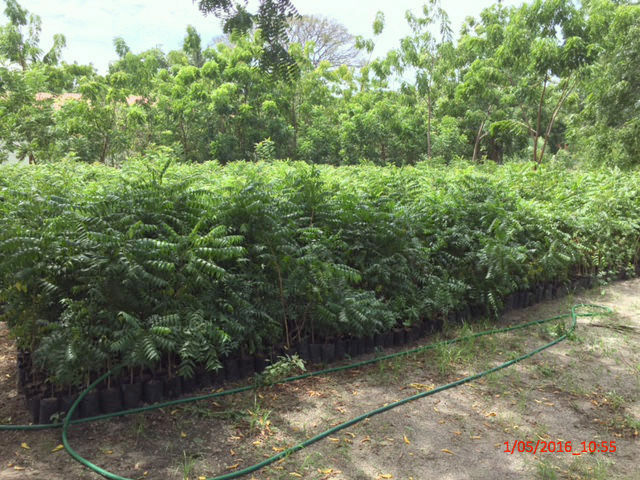 Neem saplings in our nursery are ready for planting
As we clear more land and plant more trees, we strengthen our vision of long-term, sustainable and appreciating assets. With ongoing implementation on our plantations, alongside the continued expansion of our projects, we are ensuring productive and reliable farmland – a fundamental asset class on which lucrative crops are harvested on a regular basis. By diversifying your portfolio towards agricultural land in one of the world’s agricultural powerhouses (Brazil), you are adding an extra layer of financial security.
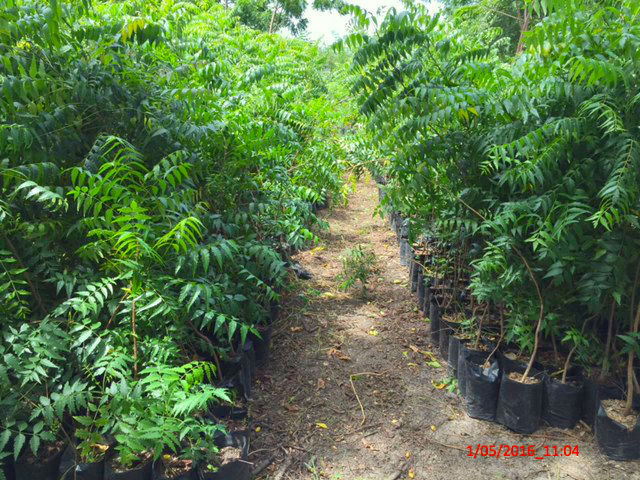 Our road to success in neem
Over the next few weeks we will continue providing updates on the next stages of implementation and the exciting developments that are taking place on our plantations at this period of heightened implementation activity. These will include more photos and videos demonstrating the work being carried out on the ground, such as the extension of our plantations’ energy network, the next phase of planting and the acquisition of new land to expand the scale of our projects.