The below video update will allow you to take a closer look at our innovative technology and new facilities and infrastructure, which enable us to redefine agriculture in the region.
As this year’s rainy season begins, we are starting to see immense progress on our plantations. Our neem and coconuts trees are thriving and we are continuously working to improve the development of our sustainable projects by investing into new infrastructure, integrating futuristic technologies and regenerative best-practices for our agricultural system.
Join us as we fly over our projects and take a look at our new facilities and infrastructure, that allow us to evolve a more sustainable future through agriculture.
]]>
We have taken to the skies using our Phantom 4DJI Drone. Join us as we fly over the sheer expanse of our coconut and neem plantations, easily seen and accessible in a way that was never before possible. Check out our newly developed facilities for collaborating specialists, which will improve our ability to monitor and assess the plantations with ease, and the on-site nursery, which allow us to continue nurturing and planting neem trees with its capacity of 72,800 saplings. While our trees are still young and yet to reach full maturity, they are growing and thriving in the sustainable and ever-improving conditions on the plantations!
]]>
The fourth installment of our Plantation Development Video Series, Project Summary provides a comprehensive overview of our progress over the last year detailing all activity on the ground from infrastructure development to plantation roll out.
]]>
This element of the project has one of the most significant in terms of development in this year, especially when you consider the enormity of such increased implementation activity. The vast expanse of neem that now exists on our plantations must be seen to be believed.
]]>The first in the series showcases the journey as you enter the plantations, passing by our in-house neem nursery and the on-going construction of our administration offices and living facilities, before offering an impressive birds-eye view of Fazenda Lagoa Grande. The film then focuses entirely on FLG, both on the expansion and maturation of the trees that are planted.
Please see the first video update below to truly appreciate the vast expanse of coconut palms across 1,000 hectares of our plantation.
]]>The following update will focus on the specific procedures necessary for such a game-changing method in modern agriculture.
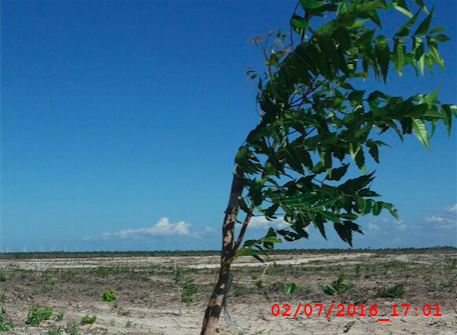
With the ability to plant this incredible evergreen tree during the summer months, we are able to further expedite the current phase of planting that will see just under 300,000 neem trees across 700 hectares of Fazenda Palmeira Grande and Fazenda Rio Grande. Traditionally, an unusual time for increased implementation activity in Brazil (due to the drier conditions of the season), our expert agronomy team has established a proven and effective system for planting neem year-round that will ensure environmentally safe, sustainable and productive yields for generations.
As we complete this current phase of planting, there are neem saplings developing at our nursery that will be transferred onto the plantation in the next. Come rain or shine, the production cycle of developing sapling and planting neem will more than keep up with the exciting rate of project expansion seen on the ground.
A New Generation of Neem Saplings Developing at our Nursery
While we continue expanding the scale of our projects and now that the next phases of planting on Fazenda Palmeira Grande and Fazenda Rio Grande are well underway, the following generation of seedlings has arrived at the nursery for initial care and development in their soil cells. Offering the capacity to develop over 72,800 neem seedlings at any one time, sourced from the highest performing trees in the region, this section of the plantation represents the very first step of neem’s long and fruitful life cycle.
Agronomists utilize every harvest as an opportunity to determine the healthiest and highest yielding trees in order to acquire their seedlings for the next generation. By selecting optimal quality seedlings we are minimizing risk and maximizing the yield potential and life span of the neem trees on our plantation right from the offset.
We then ensure that each individual seedling in the nursery receives the upmost care and attention necessary for the greatest potential of productivity.
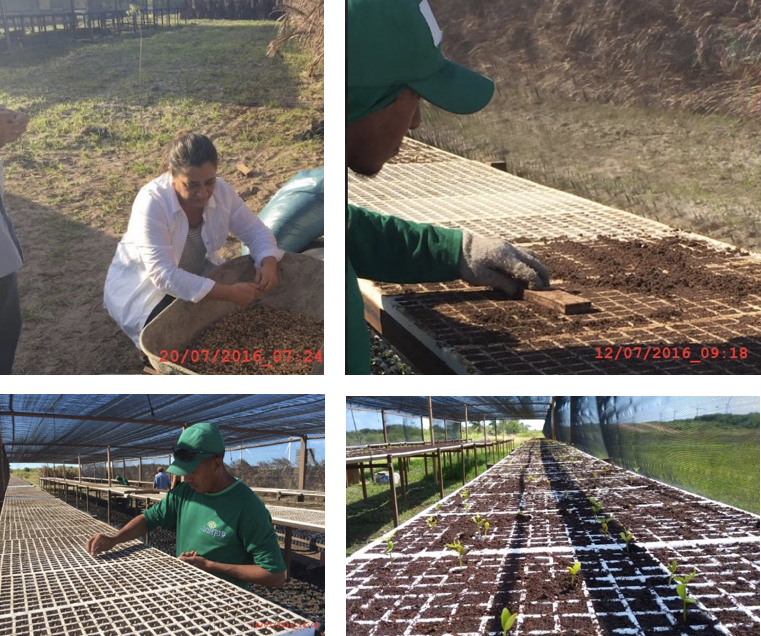
After the seeds germinate, which usually takes up to three weeks, they are placed in grow bags filled with the nutrients necessary for optimal growth. These nutrients are derived from fertile soil mixed with chicken manure, coconut shell powder and organic material recycled from the land clearance of previous phases of planting. The seedlings are then carefully nurtured by our specialist agronomy team for up to a year before they can be transferred onto the field for planting. By aligning ourselves through mutually beneficial cooperation and inviting neem experts and consultants to our plantations on a remunerated regular basis, we ensure that our workers receive the very best training in neem care and management across all stages of development.
Preparing the Soil for Planting Neem in Dry Season
By applying technical knowledge specific to each pest and disease, alongside an expert understanding of the nutrients necessary for optimal crop development in the field, we formulate the most effective blend of natural pesticides and fertilizers for use on our plantations. This holds especially true for our latest phase of planting neem and you can learn about the specific process of preparing the soil in our previous update – Neem’s Journey from the Nursery to our Plantations.
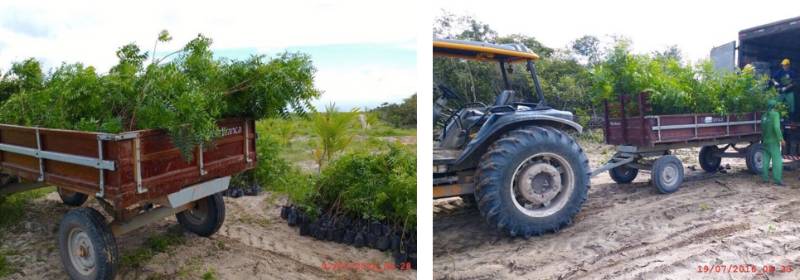
Now that this year’s rainy season has come to a close, we have finalized the implementation of our newly developed irrigation systems across Fazenda Rio Grande and Fazenda Palmeira Grande. Now fully operational and at full capacity, we have the infrastructure and water reserves securely in place to provide nutrition and sustenance for our neem trees throughout the drier climates expected in the region over the next three months. Rather than waiting until the rainy season to progress with the next phases of planting neem, the standard in agriculture for a variety of different crops, we will continue rolling out on this phase of implementation throughout the year.
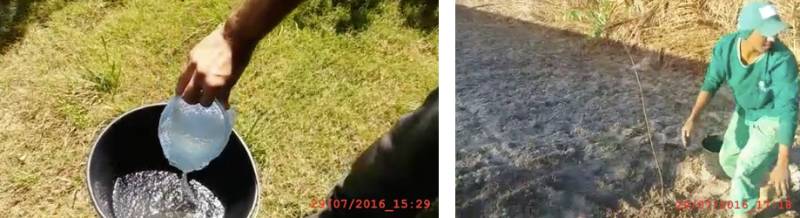
Summer planting begins with creating a foundation of fertilizer that is derived from organic compost, limestone, gypsum and reactive phosphate. The material is placed in the cradle of each tree and an extra layer of topsoil is then added to protect the mixture from any adverse external conditions.
The next step is the most important for planting during the dry season and involves the use of a plant gel polymer applied during planting that retains water and nutrients around the root base. This gel releases the water and nutrients into the root system over a longer period of time and therefore serves as an additional reserve of water and nutrients during the drier months of the year. This gel releases moisture into the surrounding soil at the base of the tree in stages, eliminating loss through evaporation and drainage, keeping the plants healthier and more vibrant during the initial and most important stages of development.
Leaves Blossoming Already Across Fazenda Rio Grande and Fazenda Palmeira Grande
Post planting, neem trees (as with most saplings) go through a brief period of stress while the tree fights to take root in its permanent home, but once the roots take hold and start to soak up the natural fertilizer and water, they begin to recover and then to produce more foliage. It is greatly rewarding for us and our agri teams to see that Neem leaves have blossomed in a matter of months at Fazenda Rio Grande and Fazenda Palmeira Grande, as ever more plentiful shades of green appear across these sections of the plantation from the previous phases of planting earlier this year.
2016 has been a year of rapid development for our projects as we continue to develop and implement the very latest methodologies of sustainable and productive agriculture. We have successfully acquired the appropriate licensing for our continued neem expansion, which has assured the prompt commencement of our consecutive phases of implementation. With an increasingly efficient and knowledgeable team and expansion in our equipment, guided by the latest innovations in agro ecology wherever possible, we strive to develop the most efficient and environmentally friendly plantations within reach. As we clear more land and plant more trees, while practicing the best methodologies of sustainable crop care and protection, we strengthen our vision of long-term, sustainable and appreciating assets. Rather than a complex and risky financial instrument, we are managing a fundamental asset – agricultural farmland – that will produce valuable crops that are harvested on a regular basis. What is more, we are creating fundamental change in how we operate as a species, by solving mankind’s greatest challenge; feeding an exponentially growing global population.
Adding an extra layer of security by implementing the most effective infrastructure across our plantations and utilizing the very latest technologies in sustainable agriculture, we are in a great position as co investors in the project for optimal yields and profits that will last for generations. Commencement of a further 10km (6.2 miles) of road network, construction of new tractor housing on both FPG and FRG, the build of new plantation based offices and dormitories for our agronomists and visiting experts, has commenced and will be featured in our next update entitled “Necessary Infrastructure Expansion to Manifest An Agri Movement”.
]]>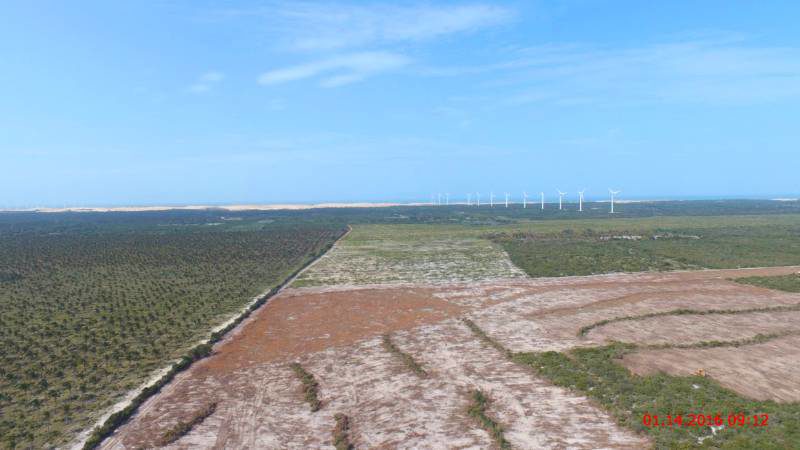 A new dawn breaks over our plantations
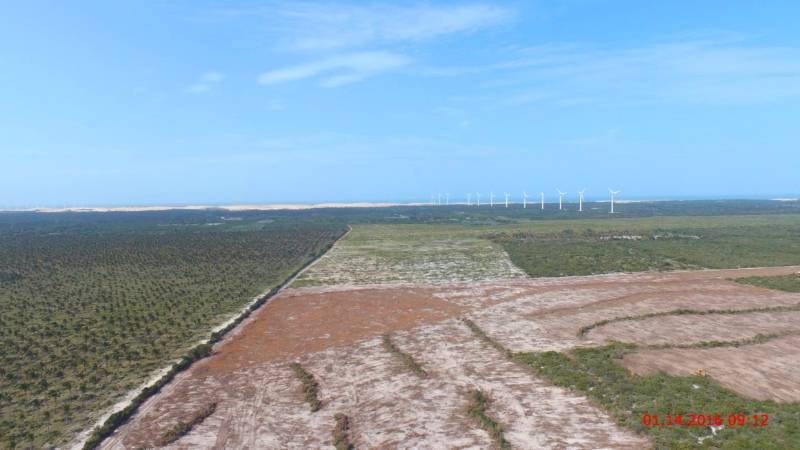
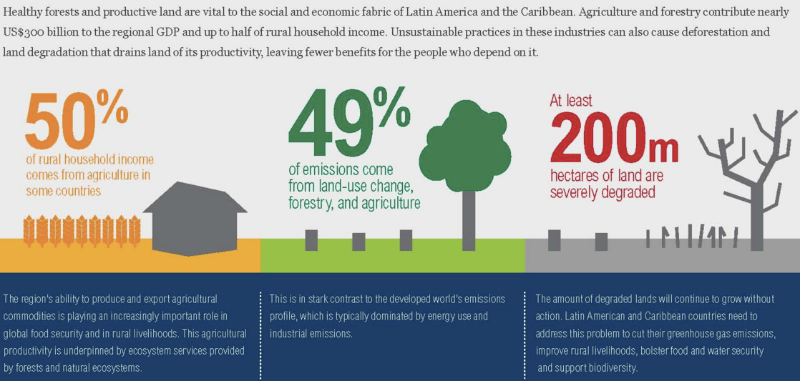
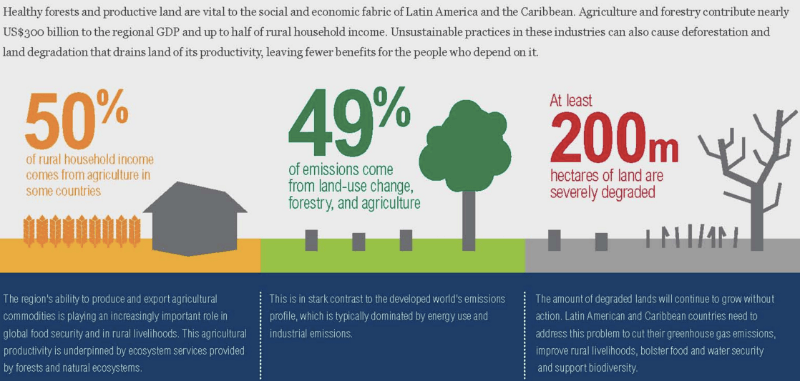
The prevalent theme holds especially true in the agricultural sector, which is famed for saving a billion people from starvation during the Green Revolution of the 1960s. Although industrialized agriculture and the rise of artificial crop care enabled our rising population to thrive well into a new millennium, farming techniques now rely on an unsustainable amount of water, energy and synthetic agrochemicals (often with little regard to any adverse and long-term effects to our environment and health). Responsible for consuming 70% of the planet’s available freshwater annually, eroding nearly 33% of the world’s high-quality arable land and causing 30% of global greenhouse gas emissions, these archaic solutions have become obsolete in the face of modern challenges.
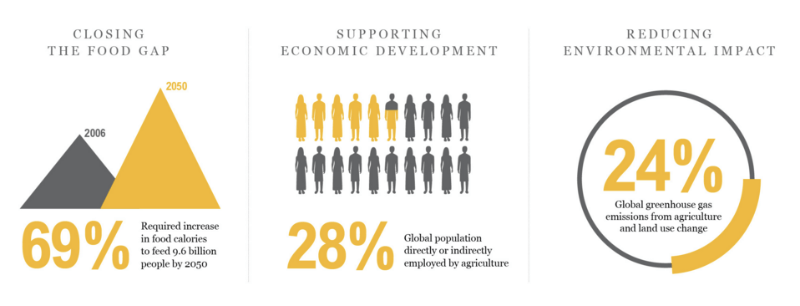
The Great Balancing Act
In order to sustainably feed 9.6 billion people by 2050 three needs must be met at the same time
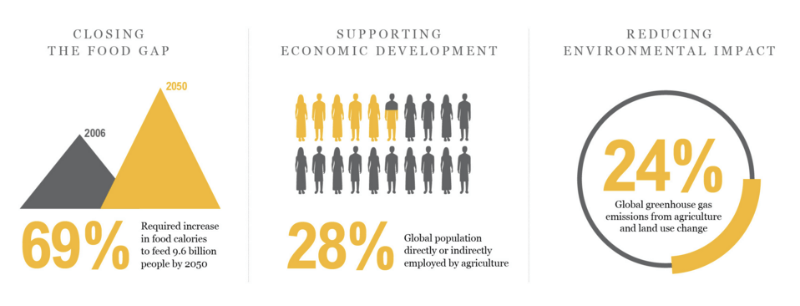 Source: World Resource Institute (2016)
Leading the Way for Sustainable Crop Care
Understanding the major principles for safe, effective and sustainable crop care is essential for developing this evolved agricultural system that focuses on productivity in the long term. While synthetic agrochemicals have proven effective since their mainstream use during the Green Revolution, their secondary effects have now become a significant concern as they are increasingly responsible for the 10 million hectares of arable land that are degraded every single year. Instead of synthesizing new chemicals for use on our plantations, we have adopted a new and innovative approach – relying on the natural world for inspiration.
The Need to Manage Land in a Safe and Responsible Manner
 Source: FAO (2016)
By applying technical knowledge specific to each pest and disease, alongside an expert understanding of the nutrients necessary for optimal crop development, we formulate the most effective blend of natural pesticides and fertilizers for use on our plantations. Naturally, a major ingredient in this blend is neem. The oil extract does not kill pests instantly and indiscriminately, but rather disarms only harmful insects, bugs and diseases. This leaves pollinators, beneficial insects and related fauna to provide the invaluable services the world (and agriculture) so desperately needs. Neem even serves as an organic fertilizer, strengthening the organic content in the soil by reducing its alkalinity and producing organic acids on decomposition. Being completely natural, this gift of nature is compatible with soil microbes that nurture healthy bacteria, increase water-holding capacity and proliferate aeration in the soil – ensuring productive soil health and stronger root development in all crops for generations.
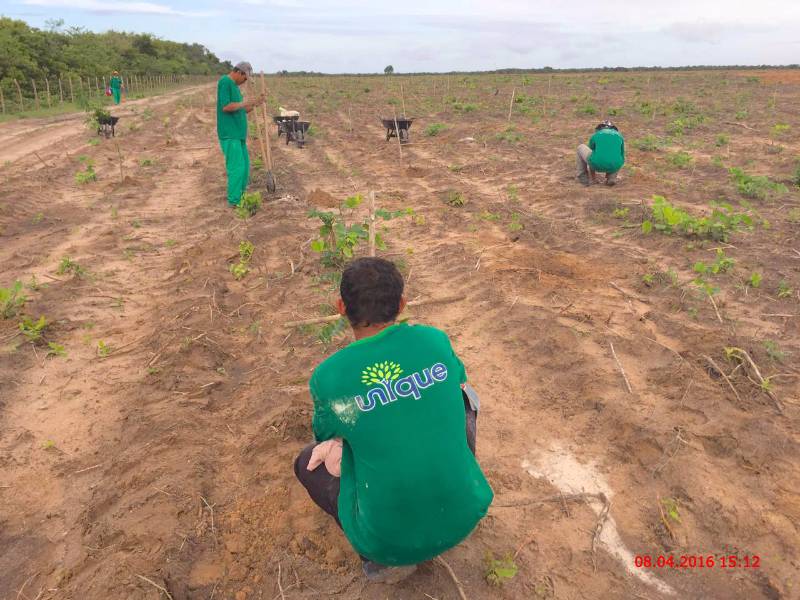
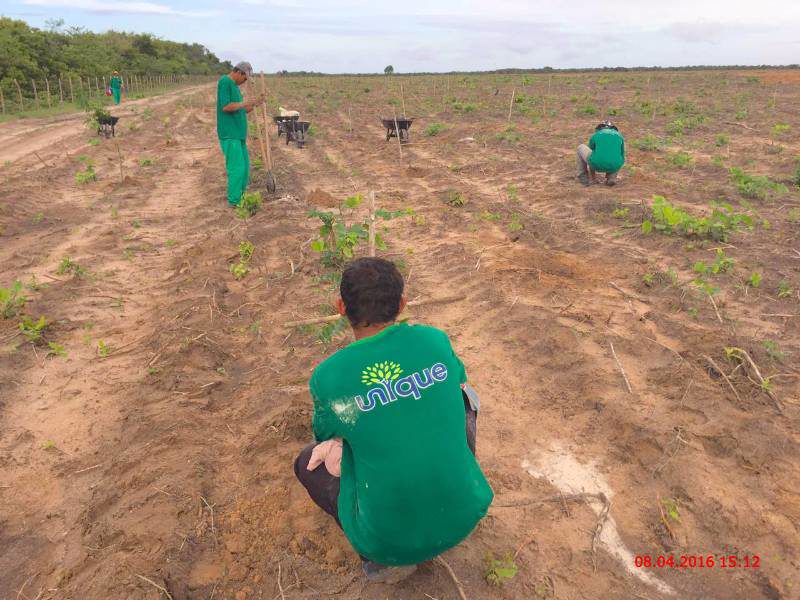 Each tree is given the utmost care and attention on our plantations to achieve the highest yields for generations to come.
Fast approaching critical mass, organics are becoming a new frontier for crop protection and crop management. Whether utilized as a pesticide or fertilizer, natural products in crop care are the current agricultural saviors attracting both start-ups and heavyweights like Monsato, Bayer and DuPont by the billions of dollars. Using natural plant and mineral derivatives, in addition to the comprehensive methods we use to manage pests and improve yields, we avoid all the damaging consequences that are associated to synthetic agrochemical use.
We are even taking natural crop care a step further by implementing a rotational grazing system on our plantations, where livestock will regularly and systematically move around the land to maximize the quantity and quality of forage growth. Grazed lands allow new vegetation to renew energy reserves, rebuild shoot systems, and deepen root systems, ensuring long-term and maximum biomass production. This improves the natural fertility of the soil while reducing any costs associated with alternative treatment. Deploying our own cultures and systems of organic crop care, which are derived from the most modern and ancient ecological practices of plant nutrition and environmental conservation, we secure the optimal fertility of our soil and the protection of crops on our plantations at all times.
Safeguarding the Global Water Supply by Example
One of the major causes of water scarcity in the world today, agriculture is leaving rivers, lakes and underground water sources dry by consuming 70% of the planet’s available freshwater every year. This is exacerbated by the fact that 56% of total food production currently resides in areas of high or extreme water stress. The good news is that natural, organic and ecological practices in agriculture are paving the way towards a new and higher standard for water use around the world.
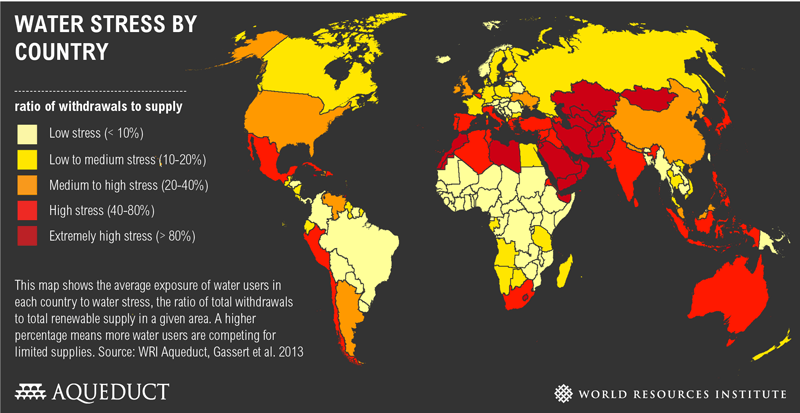 Source: World Resource Institute (2016)
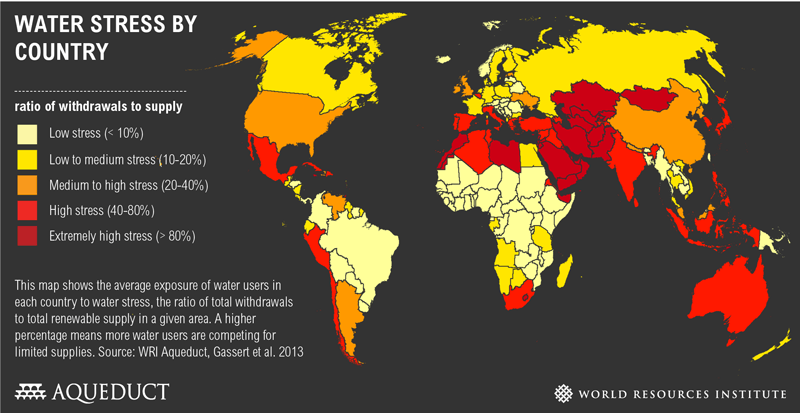
On our plantations we utilize the most efficient and sustainable irrigation technology the world has to offer, allowing us to calculate and distribute the exact water requirements for each of our crops on a daily basis. With equipment supplied by Netafim, the world’s leading specialists in irrigation infrastructure and technology, we are able to conserve the highest amount of water while ensuring the appropriate levels of hydration for every single tree on our plantations come rain or shine.
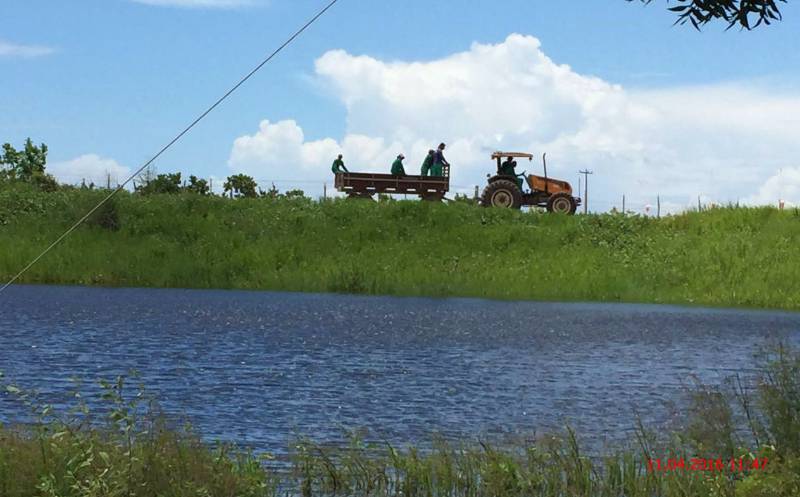
In order to further ensure sound water management throughout even the driest periods of the year, we are in the process of constructing a new water reservoir. Utilized as an additional water source supplying our newly developed pump house, this reservoir will be lined with a low permeability geomembrane to prevent water loss and act as safeguard from damaging UV and weather exposure. This is in addition to the eco dams and bore holes already implemented on our plantations, which have the combined capacity of 286 million gallons of water.
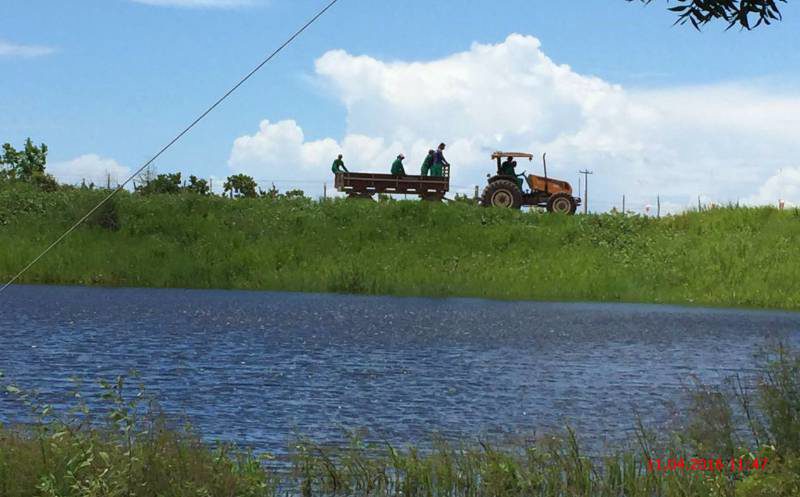 By investing significantly in our own eco dams, we continually strengthen our water reserves to supply the needs for the whole plantation at the lowest maintence and environmental cost possible.
Utilizing the World’s Most Powerful Energy Source – the Sun
Energy for growing and harvesting crops is one of the most expensive and environmentally damaging factors of plantation management. Rather than proliferating the global use of fossil fuels, we are developing the capacity to harness the lasting and clean power of the sun across all of our projects. Ensuring that all infrastructures on our plantations have been designed to receive a photovoltaic supply of solar power, our ultimate objective is to meet the demands of our on-site facilities and irrigation systems in an entirely sustainable and environmentally friendly manner.
Fulfilling the Primal Needs of Man
Our greatest challenge is to transform the archaic system of modern agriculture into one that guarantees the nutritional needs of all are met in a safe, healthy and sustainable way. In order to achieve this objective, we continuously preserve and restore critical habitats, carefully manage our resource supply and naturally improve the condition of our soil and crops. We secure high yields, protect soil productivity and maintain environmental quality in the long term through our expert understanding and practice of sustainable agriculture in all of our projects.
By engaging with the primal needs of man, we aim to provide lower risk and higher returns than traditional asset classes. We are certain that in a world demanding and deserving of higher social responsibility, sustainable businesses such as our own will ensure a more conscious and profitable future for us all.
]]>